
Is your pantry a cluttered mess that makes cooking feel stressful? Imagine opening your pantry and instantly knowing where everything is—no more digging through piles or tossing expired items.
You’re just one step away from turning that chaotic space into a neat, efficient haven that saves you time and frustration every day. You’ll discover 20 of the best pantry organization ideas that are simple, practical, and perfect for any kitchen.
Ready to transform your pantry and make your life easier? Keep reading, because these ideas will inspire you to create the organized pantry you’ve always wanted.
Clear Containers
Clear containers offer a smart way to organize your pantry. They let you see the contents easily. This reduces the time spent searching for ingredients. Clear containers also create a neat, uniform look on your shelves. They help keep food fresh and protected from pests. Using these containers can transform any cluttered pantry into an orderly space.
Benefits Of Clear Storage
Clear storage containers make it easy to find what you need. You can quickly spot when supplies run low. This helps avoid buying duplicates. Clear containers keep pantry items fresh longer by sealing out air and moisture. They also make cleaning simpler since spills are visible at a glance. The uniform shape of containers helps maximize shelf space efficiently.
Choosing The Right Containers
Pick containers made from durable, food-safe materials like BPA-free plastic or glass. Choose sizes that fit your most common pantry items. Square or rectangular containers use space better than round ones. Look for containers with airtight lids to preserve freshness. Stackable containers save space and keep shelves tidy. Select containers that are easy to clean and dishwasher safe.
Labeling Tips
Use clear, easy-to-read labels on each container’s front. Label the item name and expiration date if possible. Waterproof labels or tags work best in the kitchen environment. You can use a label maker or simple tape with a permanent marker. Keep labels uniform in size and font for a clean look. Change labels as needed to keep your pantry organized over time.

Credit: stanojcic.com
Shelf Dividers
Shelf dividers create neat sections on pantry shelves. They keep items upright and separate. This makes it easier to find and access goods quickly. Shelf dividers also help prevent clutter and wasted space. Using dividers turns a messy shelf into an organized area. They are simple tools that bring big changes in pantry order.
Maximizing Vertical Space
Shelf dividers help stack items without toppling. Tall items stay steady next to short ones. This uses the full height of each shelf. It stops items from falling over and causing messes. Vertical space often goes unused; dividers make it useful. This means more items fit on every shelf.
Types Of Dividers
Plastic dividers are lightweight and easy to clean. Metal dividers offer strong support for heavy items. Wooden dividers add a natural look and are sturdy. Adjustable dividers fit shelves of different sizes. Choose dividers based on shelf material and pantry style. Each type serves a different purpose.
Installation Tips
Measure shelf width before buying dividers. Place dividers where items tend to fall or mix. Fix dividers firmly to avoid slipping or tipping. Use non-slip pads under dividers on smooth shelves. Keep spaces wide enough for easy item access. Proper placement ensures long-lasting organization.
Lazy Susans
Lazy Susans are a smart addition to any pantry. They help you reach items easily without digging through clutter. These rotating trays spin smoothly, giving quick access to spices, cans, and snacks. Installing a Lazy Susan saves time and keeps your pantry neat. They come in various sizes and designs to fit different shelves and corners.
Ideal Uses
Lazy Susans work great for corner shelves and deep cabinets. Use them for small jars, spice bottles, and canned goods. They also hold baking supplies or snack packs well. You can place them in fridge doors or under sinks too. Their rotating feature makes grabbing items simple and fast.
Space Efficiency
Lazy Susans maximize pantry space by using awkward corners. They allow storage in areas often wasted. The spinning motion means you need less shelf space to see all items. This helps keep everything visible and organized. You avoid stacking items on top of each other.
Material Options
Lazy Susans come in wood, plastic, or metal. Wooden ones offer a rustic, natural look. Plastic models are lightweight and easy to clean. Metal options provide durability and a modern style. Choose a material that fits your pantry’s style and cleaning needs.
Pull-out Drawers
Pull-out drawers make pantry organization simple and efficient. They slide out smoothly, giving full access to items stored inside. These drawers reduce clutter and maximize space. You can see everything at a glance, so nothing gets lost in the back.
Installing pull-out drawers transforms deep pantry shelves into easy-to-reach storage. They work well for heavy items and small goods alike. This system keeps your pantry tidy and saves time during meal prep.
Improving Accessibility
Pull-out drawers bring items to you, avoiding bending and stretching. They help people of all ages and abilities reach pantry goods. You no longer need to move many things to find one item. Everything is visible and within arm’s reach.
Drawers with smooth glides open fully, showing all contents. This reduces frustration and speeds up kitchen tasks. Accessibility improves your overall kitchen experience.
Diy Vs. Pre-made
DIY pull-out drawers offer customization to fit your space and needs. You can choose materials and sizes to match your pantry perfectly. Building them yourself may save money and add a personal touch.
Pre-made drawers come in various designs and finishes. They are easy to install and often include hardware. Choose pre-made if you want a quick and reliable solution. Both options boost pantry organization effectively.
Organizing Small Items
Pull-out drawers help sort small pantry items neatly. Use drawer dividers or small containers to keep things separated. This prevents clutter and makes items easy to find.
Group spices, packets, and snacks by type or use. Label containers to save time and avoid confusion. A well-organized drawer keeps your pantry clean and user-friendly.
Basket Storage
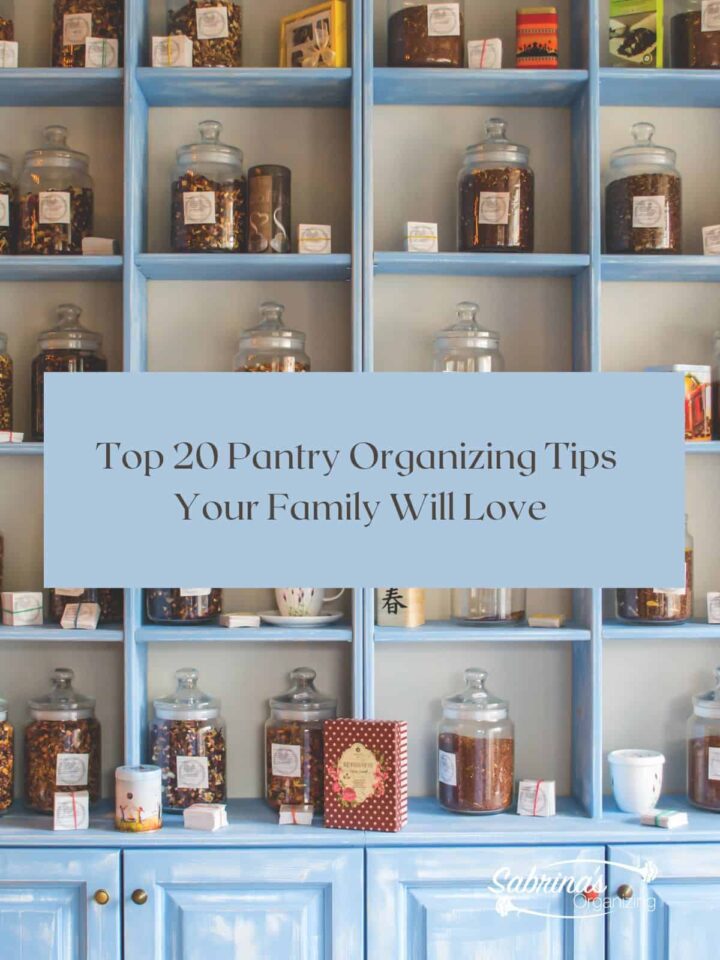
Baskets offer a simple and effective way to organize your pantry. They keep items neat and easy to find. Using baskets can transform cluttered shelves into tidy, accessible spaces. They also add warmth and texture to your pantry.
Choosing Basket Types
Select baskets based on size and material. Wicker baskets work well for dry goods. Wire baskets suit fresh produce or bulky items. Plastic baskets are easy to clean and durable. Choose baskets that fit your shelf space perfectly. Mixing basket types can create a functional and stylish look.
Grouping Similar Items
Use baskets to group related products together. Place all snacks in one basket. Keep baking supplies in another. This reduces search time and keeps your pantry orderly. Label baskets to make finding items easier. Grouping items also helps track inventory and reduces waste.
Aesthetic Appeal
Baskets add a natural, cozy feel to your pantry. Choose neutral colors for a clean look. Or use colorful baskets to brighten the space. Uniform baskets create a cohesive appearance. Adding fabric liners can soften the look and protect delicate items. Well-organized baskets make your pantry inviting and pleasant to use.
Credit: sabrinasorganizing.com
Door Racks
Door racks transform unused pantry door space into smart storage. They keep items within easy reach and free up shelf room. Using door racks helps maintain an organized, clutter-free pantry.
Utilizing Door Space
Pantry doors offer extra storage without taking floor space. Door racks hold spices, snacks, and small containers. This setup makes it easy to find and grab items fast. Using vertical space this way maximizes pantry capacity efficiently.
Types Of Door Organizers
Wire racks work well for cans and jars. Clear plastic pockets hold packets and small boxes. Magnetic strips keep metal tools handy. Adjustable shelves fit different item sizes. Each type suits different pantry needs and styles.
Installation Ideas
Use screws or strong adhesive hooks to mount racks. Choose sturdy hardware to support heavy items. Make sure racks do not block door movement. For rental homes, consider tension rods or removable hooks. Proper installation ensures safe and lasting use.
Labeling Systems
Labeling systems create order in your pantry and save time. Clear labels help find items quickly. They reduce clutter and prevent expired food from being overlooked. A good labeling system makes pantry use simple and stress-free.
Label Types
Choose from paper, plastic, or chalkboard labels. Paper labels are easy to print and replace. Plastic labels last longer and resist moisture. Chalkboard labels let you write and erase as needed. Pick labels that fit your pantry style and needs.
Consistency Tips
Use the same font and size on all labels. Keep label placement uniform on jars and containers. Write in clear, simple words everyone understands. Consistent labels make your pantry look neat and help avoid confusion.
Color Coding Ideas
Assign colors to different food groups or meal types. Use red for spices, blue for baking supplies, green for snacks. Color coding speeds up finding what you need. It also adds a bright and organized look to your pantry.
Adjustable Shelving
Adjustable shelving offers great flexibility for pantry organization. You can change shelf heights to fit different items easily. This system helps use space smarter and keeps everything visible. Adjustable shelves adapt to your storage needs over time. They make your pantry neat and efficient.
Customizing Shelf Heights
Change shelf heights to fit tall or short items. Store cereal boxes on one shelf and cans on another. This customization prevents wasted vertical space. Adjust shelves to create compartments for jars, bottles, and snacks. It makes finding items faster and easier.
Maximizing Deep Shelves
Deep shelves often hide items at the back. Use adjustable shelves to divide the depth into smaller sections. This stops products from getting lost or forgotten. Place frequently used items near the front. Adjustable shelving helps keep deep shelves tidy and accessible.
Installation Advice
Choose sturdy materials for adjustable shelving. Secure brackets firmly to walls or pantry panels. Measure your space carefully before installation. Test shelf stability with heavy pantry items. Follow product instructions to ensure safe and durable setup.
Categorizing Items
Categorizing items is key to a well-organized pantry. It helps you find what you need quickly. Proper categorization also maximizes space and reduces food waste.
Sorting pantry items into clear groups makes your kitchen more efficient. It creates a system that everyone can follow. This section shares practical tips to categorize pantry items effectively.
Grouping By Use
Group items based on how you use them. Keep baking supplies like flour, sugar, and baking powder together. Place snacks such as chips, nuts, and granola bars in one area.
This method saves time during meal prep. You won’t have to search through the entire pantry. It also helps track what needs restocking easily.
Creating Zones
Create specific zones for different types of products. Designate one shelf for canned goods and another for grains and pasta. Use baskets or bins to separate smaller items within each zone.
Zoning keeps the pantry tidy and visually organized. It simplifies cleanup and restocking tasks. Zones help maintain order and prevent clutter.
Maintaining Order
Keep your categories consistent over time. Return items to their correct zones after use. Label shelves or containers to remind everyone where things belong.
Check your pantry regularly to remove expired products. This habit keeps your space fresh and clutter-free. Maintaining order makes pantry organization last longer.
Decluttering Tips
Decluttering your pantry is the first step to a neat and functional space. A clutter-free pantry helps you find items quickly and reduces food waste. It also makes restocking easier and keeps your kitchen tidy.
These simple decluttering tips will guide you to keep your pantry organized and fresh. Clear out what you don’t need and create more space for essentials.
Regular Purging
Set a schedule to clean your pantry regularly. Every few months, take time to remove unused or unwanted items. This prevents clutter from building up and keeps your pantry manageable. Toss or donate items you no longer use.
Identifying Expired Goods
Check all expiration dates during your cleaning sessions. Expired products can affect the taste and safety of your meals. Remove anything past its prime to keep your pantry safe and fresh. Label dates clearly to track freshness easily.
Donation Ideas
Many non-perishable foods can help others in need. Donate unopened and unexpired items to local food banks or shelters. This reduces waste and supports your community. Make a habit of setting aside pantry items for donation before cleaning.
Thrift Store Finds
Thrift stores offer unique and affordable options for pantry organization. These shops carry many useful items that can help tidy your pantry. They also add charm and character to your kitchen space.
Finding the right containers and organizers at thrift stores saves money. You also reduce waste by reusing items that might otherwise be discarded. With some creativity, thrift store finds turn a cluttered pantry into an orderly area.
Budget-friendly Bins
Thrift stores often have bins and baskets at low prices. Look for plastic or woven containers that fit your pantry shelves. These bins keep small items like snacks and spices together. Clear bins help you see what is inside quickly. Choose different sizes to match various pantry needs. Using thrift store bins cuts costs and adds style to your space.
Creative Repurposing
Old jars, tins, and boxes from thrift shops can be repurposed for pantry use. Glass jars work well for storing grains, nuts, and dried fruits. Painted tins or wooden boxes make great holders for utensils or packets. Repurposing thrift store items saves money and reduces clutter. Personalize your pantry with unique containers that reflect your taste. This idea combines organization with eco-friendly choices.
Sourcing Tips
Visit thrift stores regularly for the best selection. Check multiple locations to find a variety of useful items. Inspect each item for cleanliness and durability before buying. Bring a tape measure to ensure containers fit your pantry shelves. Don’t hesitate to clean or repaint items to match your kitchen decor. Patience and creativity help you find perfect pantry organizers at thrift stores.
Stackable Bins
Stackable bins offer a smart way to organize pantry items neatly. They use vertical space effectively, making shelves look tidy. These bins help separate food types and keep everything visible and accessible. Choosing the right stackable bins can make a big difference in pantry order and ease of use.
Saving Space Vertically
Stackable bins maximize vertical space in your pantry. You can pile items up without cluttering the shelves. This method frees up room for more products. It also keeps similar items grouped together for quick access. Using height wisely means less mess and more storage.
Choosing Durable Materials
Select stackable bins made from strong materials like sturdy plastic or metal. Durable bins last longer and hold heavy items without cracking. Clear plastic bins allow you to see contents easily. Avoid flimsy containers that break or warp. Quality materials protect your food and keep your pantry neat.
Labeling Stacks
Label each bin clearly to find items fast. Use large, readable labels on the front of bins. Labels help identify contents without opening bins. They keep your pantry organized even when others use it. This simple step saves time and reduces pantry chaos.
Small Pantry Hacks
Small pantries need smart organization to make the most of limited space. These small pantry hacks help you keep things tidy and easy to find. Simple changes create big differences in how your pantry works. Use these ideas to save space and stay organized every day.
Utilizing Wall Space
Walls offer extra storage without taking floor space. Add hooks or racks to hang utensils and small baskets. Use magnetic strips to hold spice jars or metal tools. Shelves on walls store cans, jars, or boxes neatly. Vertical storage clears shelves and opens up room below.
Slim Storage Solutions
Thin and narrow containers fit tight spaces well. Use slim bins to store snacks, packets, or baking items. Stackable trays make use of vertical space inside cabinets. Pull-out drawers or baskets help reach items in deep shelves. Slim organizers keep small pantries neat and accessible.
Multi-purpose Containers
Containers that serve more than one function save space. Choose jars that stack or nest inside each other. Use clear containers to see contents at a glance. Some containers come with built-in measuring tools or lids that double as trays. Multi-use containers cut clutter and make your pantry smarter.
Deep Shelf Solutions
Deep shelves in a pantry can store many items but often hide things at the back. This makes it hard to find and reach what you need. Using smart solutions for deep shelves helps keep everything visible and easy to grab. Organizing these shelves well saves time and reduces food waste.
Pull-out Trays
Pull-out trays slide out like drawers. They bring items from the back to the front with no effort. You can see everything on the tray at once. This stops items from getting lost in deep shelves. Trays also help keep things neat and tidy. Choose trays that fit your shelf size for best use.
Tiered Organizers
Tiered organizers use vertical space well. They stack items in steps or levels, like stairs. This makes cans, jars, and bottles easy to see and reach. You avoid digging through piles of products. Tiered racks come in many sizes and shapes. Pick one that matches your pantry’s needs and shelf depth.
Visibility Tips
Clear containers show what is inside at a glance. Label containers with simple words for quick identification. Arrange items by size, placing taller ones at the back. Use light-colored liners or shelf paper to brighten dark shelves. Keep frequently used items near the front for easy access. These tips make deep shelves more user-friendly and organized.
Snack Stations
Snack stations make it simple to keep snacks neat and ready. They save time and reduce mess. Everyone in the family can find their favorite snacks easily. Organizing snacks in one place keeps your pantry tidy and inviting.
These stations can fit any pantry size. They help you track what snacks you have and what needs restocking. The key is to create a space that is both useful and easy to maintain.
Dedicated Snack Bins
Use clear bins to hold snacks together. Label each bin by snack type, such as chips, nuts, or bars. This keeps similar items grouped and easy to grab. Clear bins let you see what is inside without opening them. Stackable bins save space and keep your pantry organized.
Easy Access Ideas
Place snacks at eye level for quick reach. Use pull-out drawers or baskets to avoid digging through shelves. Keep frequently eaten snacks in front or on top. Smaller containers or trays can help separate snack types. This setup encourages healthy snacking and reduces clutter.
Kid-friendly Organization
Create lower shelves or bins just for kids. Use colorful containers or fun labels for their snacks. Let kids choose their snacks from their own section. This promotes independence and keeps snacks from spreading throughout the pantry. A simple, clear system helps kids stay organized and happy.
Spice Organization
Spices add flavor and aroma to every dish. A messy spice collection slows down cooking and causes frustration.
Organizing spices keeps them easy to find and fresh. This section shares simple ideas to tidy your spice area.
Racks And Holders
Use racks and holders to store spices neatly. Wall-mounted racks save counter space and keep jars visible.
Spice racks with tiers let you see labels at a glance. Drawer holders keep jars upright and prevent spills.
Choose holders that fit your kitchen style and spice jar size. Magnetic racks on the fridge add extra storage.
Labeling Spices
Label spices clearly to avoid confusion while cooking. Use easy-to-read fonts on labels for quick identification.
Apply labels on jar lids or front for visibility. Waterproof labels last longer in kitchen environments.
Color-coded labels help group spices by type or cuisine. Labeling saves time and keeps your pantry tidy.
Creating A Spice Zone
Set aside a dedicated space for all spices. Group similar spices together to speed up meal prep.
Keep the spice zone near your cooking area for convenience. Use a small shelf or drawer to keep spices organized.
Rotate spices regularly to use older ones first. A well-planned spice zone makes cooking more enjoyable.
Baking Supplies
Baking supplies need special care in the pantry. They include flours, sugars, spices, and tools. Proper organization helps find items fast and keeps ingredients fresh. A tidy baking section makes cooking more fun and less stressful.
Grouping Ingredients
Keep baking ingredients together on one shelf or area. Group flours, sugars, and baking powders separately. Put spices and extracts nearby for easy access. Label each group to avoid confusion. This arrangement saves time during baking sessions.
Clear Jars For Flours And Sugars
Use clear jars to store flours, sugars, and other dry ingredients. It shows the contents at a glance and adds neatness. Choose airtight jars to keep items fresh longer. Use uniform containers for a clean, organized look. Label jars with names and expiration dates.
Tool Storage Ideas
Store baking tools like measuring cups, spoons, and whisks in drawers or containers. Use drawer dividers to keep tools separated and tidy. Hang frequently used tools on hooks inside the pantry door. This keeps tools handy without cluttering the space.
Canned Goods Storage
Canned goods form a large part of many pantries. Proper storage helps save space and keeps items easy to find. Organized canned goods reduce waste by preventing expired cans from being forgotten. Smart storage also makes cooking faster and less stressful.
Stacking Techniques
Stack cans carefully to maximize shelf space. Place heavier cans at the bottom to avoid crushing. Use uniform stacks to keep the pantry tidy. Avoid stacking too high to prevent cans from falling. Label the top can for quick identification.
Rotating Stock
Practice “first in, first out” to keep food fresh. Place new cans behind older ones. Use older cans first to reduce spoilage. Check expiration dates regularly and remove expired cans. This habit ensures you use all your canned goods.
Using Can Racks
Can racks create easy access and save space. Choose racks with angled shelves for better visibility. Store cans by type or size on separate racks. Portable racks allow easy cleaning and rearranging. Investing in racks keeps your pantry neat and functional.
Bulk Item Storage
Storing bulk items can save money and reduce shopping trips. Proper bulk item storage keeps your pantry tidy and food fresh. Organizing these large quantities needs smart solutions. Use clear containers and smart placement to maximize space. Bulk storage also helps prevent waste by keeping items visible and accessible.
Large Container Choices
Choose containers that are airtight to keep food fresh longer. Clear plastic or glass containers work best. They show contents easily and allow quick access. Large containers with wide openings make scooping easier. Stackable containers help use vertical space efficiently. Labels on containers improve organization and speed up meal prep.
Space-saving Tips
Use uniform containers to create neat rows. Place heavier containers at the bottom to avoid accidents. Use shelf risers to add storage layers. Hanging baskets can hold lighter bulk items. Store bulk bags in bins to keep them contained. Store rarely used bulk items on higher shelves. Group similar items together for faster meal planning.
Refill Systems
Use smaller containers for daily use and refill from bulk storage. This reduces clutter and keeps counters clean. Mark refill dates on containers to track freshness. Refill stations near your pantry improve efficiency. Use scoopers or measuring cups to avoid spills. Refill systems encourage mindful use and reduce waste. Keep refill containers easy to reach for convenience.
Credit: sabrinasorganizing.com
Lighting And Visibility
Good lighting and clear visibility improve pantry use. Bright spaces help find items quickly. They reduce waste and save time. Organizing with light and clarity makes the pantry more pleasant. Here are simple ideas to boost lighting and visibility.
Adding Pantry Lights
Install LED strip lights under shelves for even lighting. Motion-sensor lights turn on when you open the door. Battery-powered puck lights fit small spaces without wiring. Choose bright, cool white bulbs for clear visibility. Proper lighting shows every corner and shelf.
Using Clear Containers
Clear containers reveal contents without opening lids. Use glass or BPA-free plastic jars for dry goods. Labels on clear containers add extra clarity. Stack containers neatly to save space and see more. Clear containers reduce clutter and make choices easy.
Maintaining Brightness
Keep pantry clean to avoid dull surfaces. Wipe shelves and containers regularly to reflect light. Use light-colored shelf liners to brighten dark areas. Avoid overcrowding to allow light to spread. Brightness keeps the pantry fresh and items visible.
Frequently Asked Questions
What Are The Best Containers For Pantry Organization?
Clear, airtight containers are ideal for pantry organization. They keep food fresh and allow easy identification of contents. Choose stackable designs to maximize space and maintain a tidy look. Label containers for added convenience and quick access.
How Can I Organize A Small Pantry Efficiently?
Use vertical space with adjustable shelves and door racks. Group similar items together and use clear bins to contain small products. Rotate older items to the front and avoid overstocking to keep your small pantry clutter-free.
What Are Budget-friendly Pantry Organization Ideas?
Repurpose shoeboxes or small crates covered with decorative paper. Shop clearance sales for containers and baskets. Use inexpensive drawer dividers or lazy Susan trays to organize smaller items without breaking the bank.
How Do I Organize Pantry Items By Category?
Sort foods into groups like baking, snacks, canned goods, and spices. Store each category in separate bins or shelves. Label each section for easy identification and to keep the pantry orderly.
Conclusion
Organizing your pantry can save time and reduce stress. Simple steps create a neat, easy-to-use space. Use containers, labels, and shelves wisely to keep items visible. Group similar foods together for quick access. Small changes make a big difference in daily routines.
Keep your pantry clean and tidy regularly to maintain order. Try these ideas to enjoy a functional and attractive pantry. A well-organized pantry helps you cook and shop smarter every day. Start today and see how much easier kitchen tasks become.