
Your kitchen is the heart of your home—but it can also be a hotspot for dangerous fires if you’re not careful. Imagine the peace of mind you’ll have by simply knowing how to prevent kitchen fires before they start.
You’ll discover easy and practical fire safety tips that anyone can follow. From handling hot pans to keeping flammable items at bay, these smart steps will protect your home and loved ones. Keep reading, because a few small changes in your kitchen habits can make a big difference in keeping your space safe and secure.
Fire Hazards In The Kitchen
The kitchen is one of the most common places for fires to start. Many fire hazards exist here due to heat and cooking materials. Understanding these hazards can help prevent accidents and keep your home safe.
Fire can spread quickly in the kitchen. Knowing the risks helps you act carefully and avoid danger.
Common Causes Of Kitchen Fires
Many kitchen fires start from unattended cooking. Grease buildup on stoves and ovens can ignite easily. Faulty electrical appliances or damaged cords also cause fires. Overheated oil and frying food are frequent fire starters. Small mistakes can lead to big fires.
Flammable Items To Avoid Near Heat
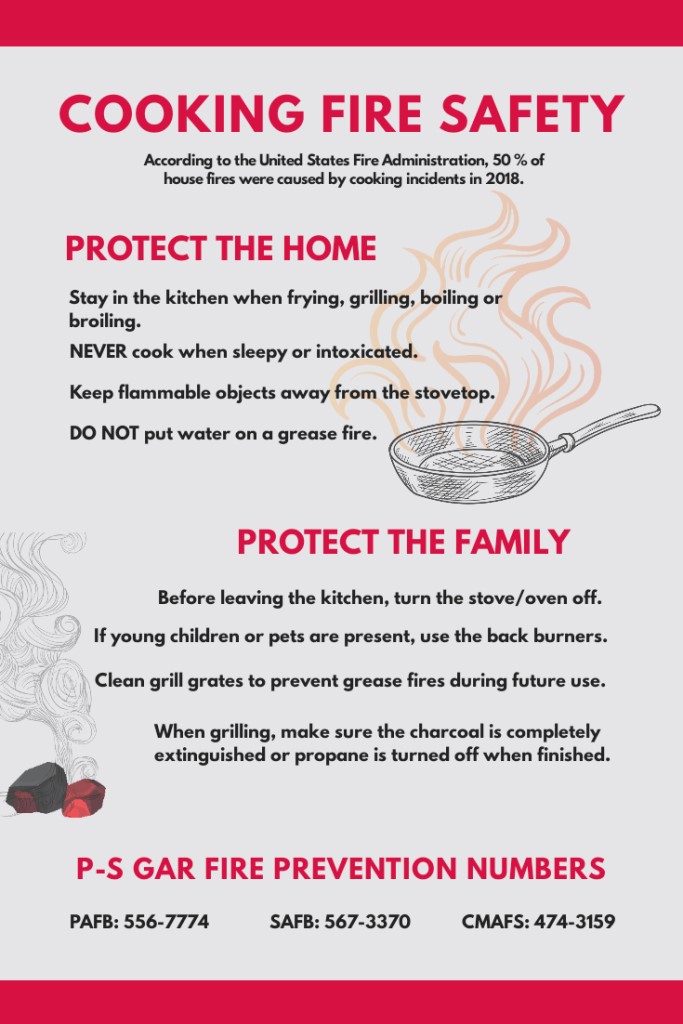
Keep paper towels, dishcloths, and oven mitts away from heat sources. Plastic containers or bags near the stove can melt or catch fire. Cooking oils stored too close to burners pose serious risks. Avoid placing curtains or wooden utensils near open flames. Clear the area around the stove to reduce fire chances.
Risks Of Unattended Cooking
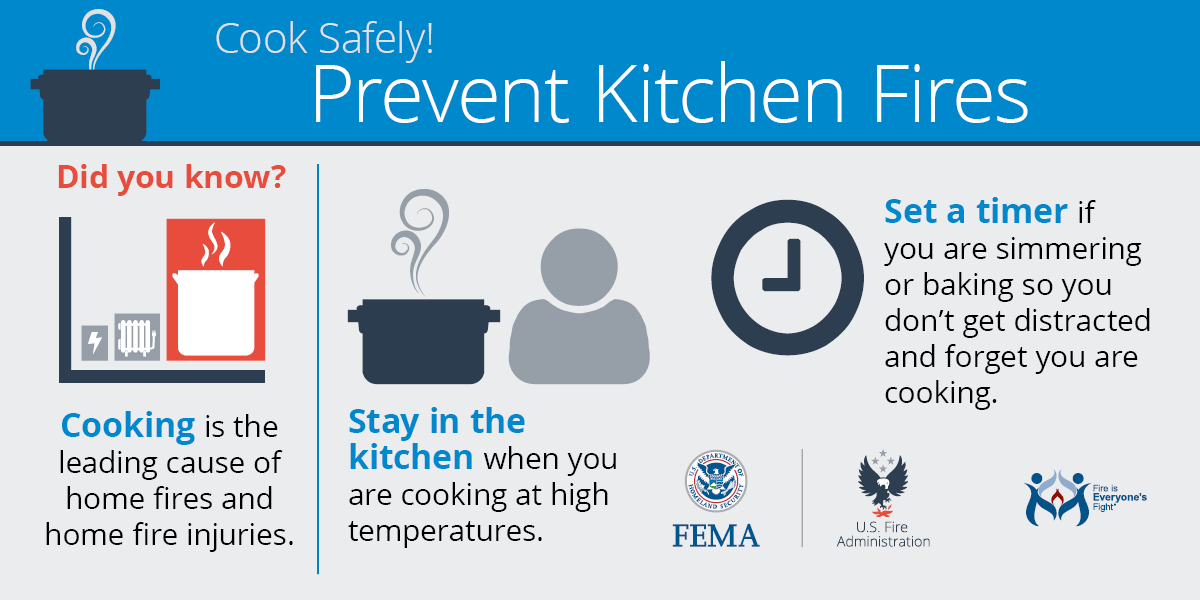
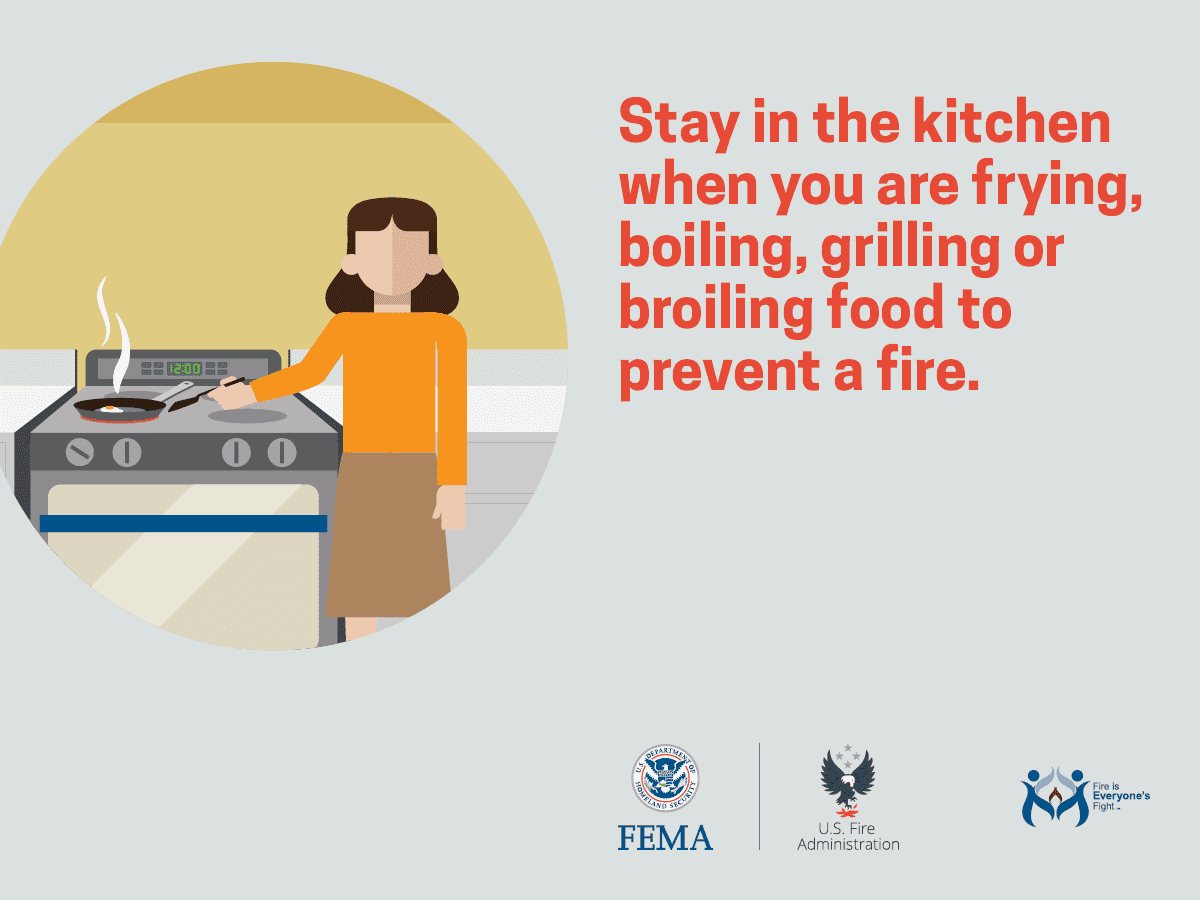
Never leave cooking food unattended. Fires ignite fast if oil or food overheats. Distractions like phones or TV increase fire risk. Turning away from the stove even for a minute can cause accidents. Stay alert and watch your cooking at all times.
Safe Cooking Practices
Safe cooking practices help prevent kitchen fires and injuries. Following simple rules keeps you and your family safe. Pay attention to how you cook and handle kitchen tools. These habits reduce the risk of accidents and fires.
Monitoring Heat Levels
Keep heat at the right level to avoid burning food. High heat can cause oil to catch fire quickly. Adjust the burner to medium or low when possible. Stay near the stove while cooking to watch the heat closely.
Turning Pot Handles Inward
Turn pot handles toward the stove’s center. This stops them from being bumped or pulled down. It helps prevent hot spills and burns. Teach children to stay away from stove edges.
Using Oven Mitts Correctly
Always use dry oven mitts to handle hot pots and pans. Wet mitts can cause steam burns. Make sure mitts cover your wrists fully. Replace mitts if they get worn out or damaged.
Keeping A Lid Nearby
Keep a lid close to the stove while cooking. A lid can quickly smother small fires in pots or pans. Use it to cut off oxygen and stop the flames. Never try to move a burning pan without a lid.
Proper Use Of Kitchen Appliances
Proper use of kitchen appliances plays a key role in preventing fires. Many kitchen fires start due to misuse or neglect of appliances. Using appliances correctly keeps your kitchen safe and reduces fire risks. It also extends the life of your devices.
Following Manufacturer Instructions
Always read the manual before using a new appliance. Manuals contain safety tips specific to each device. Use appliances only as directed to avoid hazards. Do not modify or bypass safety features. Proper use prevents overheating and electrical problems.
Unplugging Appliances When Not In Use
Unplug small appliances after use. This stops electrical current that might cause fires. It also saves energy and protects against power surges. Do not leave toasters, mixers, or coffee makers plugged in unattended. This simple step lowers fire risk greatly.
Maintaining Appliance Cords
Check cords regularly for damage or fraying. Replace cords that look worn or cracked. Avoid running cords under rugs or near water. Damaged cords can spark fires or cause electric shocks. Keep cords organized and away from heat sources.
Credit: southhempsteadfd.org
Kitchen Cleanliness And Organization
Keeping the kitchen clean and organized plays a big role in fire safety. A tidy kitchen lowers fire risks and helps you work safely. Simple habits make a big difference in avoiding accidents and fires. Pay attention to spills, clutter, and where you keep flammable items. These small steps protect your home and family from danger.
Cleaning Spills Immediately
Spills on the floor or stove can cause slips or fires. Clean wet or greasy spills as soon as you see them. Use a cloth or paper towel to wipe surfaces dry. This stops grease buildup, which can catch fire easily. A dry kitchen is a safer kitchen.
Keeping Workspaces Clutter-free
Clear counters and stove areas help prevent accidents. Clutter can block your view or catch fire near hot burners. Store tools and ingredients away when not in use. Keep only what you need on the counter. This gives you space to cook safely and quickly.
Safe Storage Of Flammable Materials
Store flammable items like cooking oil, paper towels, and cleaning sprays far from heat sources. Keep them in closed cabinets or on high shelves. Never place flammable materials near the stove or oven. Proper storage lowers the chance of fires starting or spreading.
Fire Prevention Tools
Fire prevention tools are essential for keeping kitchens safe. They help stop small sparks from turning into big fires. Using the right tools can protect your home and family.
Knowing how to use these tools saves lives and reduces damage. These tools are simple to use and easy to install. Let’s explore the key fire prevention tools every kitchen needs.
Installing Smoke Alarms
Smoke alarms detect smoke early. They alert you before the fire grows. Install smoke alarms near the kitchen but not too close. Too close may cause false alarms from cooking steam.
Test alarms monthly. Replace batteries once a year or as needed. Working smoke alarms give you time to act fast.
Having A Fire Extinguisher Ready
A fire extinguisher stops small fires quickly. Place it where you can reach it easily in the kitchen. Choose a Class K extinguisher for grease fires.
Learn how to use it: Pull the pin, aim at the fire base, squeeze the handle, and sweep side to side. Check the pressure gauge regularly.
Using Fire Blankets
Fire blankets smother flames by cutting off oxygen. They work well on small fires or when clothes catch fire. Keep a fire blanket in the kitchen within easy reach.
To use, pull out the blanket fully, cover the fire gently, and turn off heat sources. Fire blankets are safe and reusable after cleaning.
Credit: www.petersonschriever.spaceforce.mil
Safe Handling Of Kitchen Tools
Handling kitchen tools safely reduces the risk of accidents and fires. Sharp tools and heavy appliances need care and attention. Proper use and storage protect everyone in the kitchen. Follow simple rules to keep your kitchen a safe place to cook.
Knife Safety Tips
Always hold knives by the handle. Cut away from your body to avoid injury. Use a stable cutting board to prevent slips. Keep fingers clear of the blade while chopping. Never catch a falling knife; step back instead. Wash knives separately to avoid cuts from other utensils.
Using Sharp Knives
Sharp knives cut food easily and require less force. Dull blades slip and cause accidents. Keep knives sharpened regularly for safe use. Use the right knife for each task to maintain control. Always cut on a flat surface to prevent slipping.
Storing Tools Safely
Store knives and tools out of children’s reach. Use a knife block or magnetic strip for blades. Keep sharp tools separate from other utensils. Avoid loose knives in drawers to prevent cuts. Ensure tools are clean and dry before storing to avoid rust.
Personal Safety Measures
Personal safety measures play a vital role in preventing kitchen fires. Simple actions help protect you from burns and accidents. Pay attention to your clothing and surroundings. Keep children away from cooking areas to avoid unexpected hazards. These steps create a safer kitchen environment for everyone involved.
Wearing Appropriate Clothing
Choose clothes made from tight-woven fabrics. Avoid synthetic materials that catch fire easily. Wear short sleeves or roll them up above the elbow. Use an apron to shield your clothes and skin from splashes. Proper clothing reduces the chance of burns and fire accidents.
Avoiding Loose Sleeves
Loose sleeves can brush against hot burners or flames. They may catch fire or knock over pots and pans. Keep sleeves fitted and away from heat sources. This small change prevents dangerous kitchen mishaps and keeps you safe while cooking.
Creating A Kid-free Zone
Designate a safe area away from the stove and oven. Use gates or barriers to keep children out of the kitchen while cooking. Explain why the kitchen can be dangerous. Keeping kids away reduces risk of burns and spills. It also helps you focus on cooking safely.
Emergency Steps During A Fire
Fires in the kitchen can spread quickly and cause serious harm. Knowing what to do during a fire can save lives and reduce damage. Stay calm and follow clear steps to protect yourself and others. Quick action is key.
How To Stop, Drop, And Roll
If your clothes catch fire, do not run. Running makes the flames grow faster. Instead, stop where you are. Drop to the ground immediately. Cover your face with your hands to protect it. Roll over and over until the fire goes out. This helps put out the flames safely.
Using A Fire Extinguisher
Use a fire extinguisher only if the fire is small and manageable. Stand back from the fire. Aim the nozzle at the base of the flames. Squeeze the handle to release the extinguishing agent. Sweep the nozzle side to side to cover the fire. Keep an exit behind you in case the fire grows.
Planning An Escape Route
Have a clear escape plan before a fire starts. Know at least two ways out of your kitchen and home. Keep pathways free of clutter and obstacles. Practice your escape route with family members. In a fire, leave quickly without stopping to gather belongings. Call emergency services from a safe place outside.
Food Safety And Fire Prevention
Food safety and fire prevention are key to a safe kitchen. Handling food properly reduces fire risks and stops illnesses. Cleanliness and careful cooking protect your home and family.
Avoiding Cross-contamination
Cross-contamination spreads germs and can cause fires. Use separate cutting boards for raw meat and vegetables. Always wash hands and utensils after touching raw food. Clean surfaces often to stop bacteria and grease buildup. Grease can catch fire quickly if not cleaned.
Storing Food Properly
Store food in sealed containers to keep pests away. Keep raw meat at the bottom of the fridge to stop drips. Avoid storing food near heat sources or open flames. Proper storage stops spoilage and prevents cooking fires. Regularly check expiry dates and throw out old food.
Cooking Food Thoroughly
Cook food to the right temperature to kill harmful bacteria. Use a food thermometer to check doneness. Avoid cooking at too high heat to prevent burning and fires. Stay near the stove while cooking to watch for problems. Turn pot handles inward to stop spills and burns.
Credit: southhempsteadfd.org
Frequently Asked Questions
What Are 5 Ways To Prevent A Fire In The Kitchen?
1. Never leave cooking unattended; stay focused on stove activities. 2. Turn pot handles inward to prevent accidental spills or burns. 3. Keep flammable items away from heat sources and open flames. 4. Clean spills immediately to avoid grease buildup and fire hazards.
5. Have a fire extinguisher nearby and know how to use it safely.
What Are The 10 Fire Safety Tips?
1. Install smoke alarms on every floor and test monthly. 2. Plan and practice a fire escape route. 3. Keep flammable items away from heat sources. 4. Never leave cooking unattended. 5. Turn pot handles inward to avoid spills. 6.
Use oven mitts to handle hot cookware. 7. Keep a fire extinguisher accessible in the kitchen. 8. Avoid overloading electrical outlets. 9. Store matches and lighters out of children’s reach. 10. Stay alert and focused while cooking.
What Are 10 Safety Rules In The Kitchen?
1. Wash hands before and after handling food. 2. Clean spills immediately to prevent slips. 3. Use sharp knives and cut away from your body. 4. Turn pot handles inward to avoid burns. 5. Use dry oven mitts when handling hot items.
6. Keep flammable items away from heat sources. 7. Wear short or rolled sleeves in the kitchen. 8. Follow appliance instructions and unplug when done. 9. Use separate cutting boards to avoid cross-contamination. 10. Stay focused; avoid distractions while cooking.
What Are The 4 P’s Of Fire Safety?
The 4 P’s of fire safety are Prevention, Protection, Preparation, and Practice. They help reduce fire risks and improve response.
Conclusion
Practicing fire safety in the kitchen protects your home and loved ones. Always watch food closely and avoid distractions while cooking. Keep flammable items away from heat sources to prevent fires. Use oven mitts and turn pot handles inward for safety.
Clean spills quickly to avoid slips and fire risks. Having a fire extinguisher nearby can stop small fires fast. Simple habits keep your kitchen safe every day. Stay alert and stay safe.