
Your kitchen appliances work hard every day, helping you prepare meals and keep your home running smoothly. But over time, grease, grime, and fingerprints can build up, making them look dull and less efficient.
You might wonder, what’s the best way to clean kitchen appliances without damaging them or wasting time? You’ll discover simple, effective methods to restore your appliances’ shine and keep them running like new. Whether you’re dealing with stainless steel, glass, or plastic surfaces, these tips will make cleaning easier and safer—so you can enjoy a sparkling kitchen without the hassle.
Keep reading to find out how to clean your appliances the right way and avoid common mistakes that could cost you later.
Choosing The Right Cleaner
Choosing the right cleaner plays a key role in maintaining kitchen appliances. The cleaner should be effective yet gentle. It must not harm the appliance surface or finish. Understanding different cleaning options helps pick the best one for each task. Some cleaners work well on grease, while others suit delicate surfaces. Let’s explore simple and safe choices to keep appliances spotless.
Liquid Cleaners And Warm Water
Liquid cleaners mixed with warm water clean most kitchen appliances well. Use a soft cloth or sponge to apply the solution. This mix dissolves dirt and grime without scratching. Warm water helps loosen stuck particles for easier removal. Avoid soaking appliances; just wipe gently to protect surfaces.
Vinegar Solutions For Grease
Vinegar diluted with water cuts through grease quickly. It is a natural and safe cleaner. Spray the solution on greasy spots and let it sit briefly. Wipe off with a clean cloth to remove residue. Vinegar also helps remove odors and mineral buildup. Never mix vinegar with bleach or hydrogen peroxide to avoid toxic fumes.
Avoiding Abrasive Products
Abrasive cleaners and scrubbers can damage appliance finishes. Steer clear of steel wool, harsh powders, or rough brushes. These can leave scratches and dull the surface. Use soft cloths or non-abrasive sponges instead. Protect the appliance’s look by choosing gentle cleaning tools and products.
Credit: www.homedepot.com
Cleaning Stainless Steel Appliances
Stainless steel appliances add a modern and sleek look to any kitchen. They resist rust and stains but need the right care to keep their shine. Cleaning these surfaces properly prevents smudges and maintains their smooth finish. Use gentle methods to avoid scratches and damage. Follow simple steps for a spotless and polished appearance.
Wiping With Grain Direction
Always wipe stainless steel with the grain. The grain is the natural line pattern on the surface. Use a soft cloth or microfiber towel. Wipe in the same direction as the grain. This method removes dirt without scratching. Avoid circular motions that can leave marks.
Natural Shine Boosters
Use natural cleaners to boost shine safely. Mix equal parts water and white vinegar in a spray bottle. Spray lightly on the surface and wipe with a microfiber cloth. Olive oil or baby oil can also polish the steel. Apply a small amount on a cloth and rub gently along the grain. These boosters bring out a clear, shiny finish.
Common Mistakes To Avoid
Do not use abrasive pads or steel wool. These scratch and damage the surface. Avoid bleach or harsh chemicals that cause discoloration. Never mix vinegar with bleach or hydrogen peroxide. This creates toxic gases. Do not use waxes or polishes not made for stainless steel. They leave residue and dull the finish.
Deep Cleaning Kitchen Appliances
Deep cleaning kitchen appliances keeps your cooking space safe and fresh. Dirt and grease build-up can affect appliance performance. Regular deep cleaning removes stubborn grime and bacteria. It extends the life of your appliances and maintains their look. Follow simple steps for each appliance to clean deeply and effectively.
Oven And Stove Care
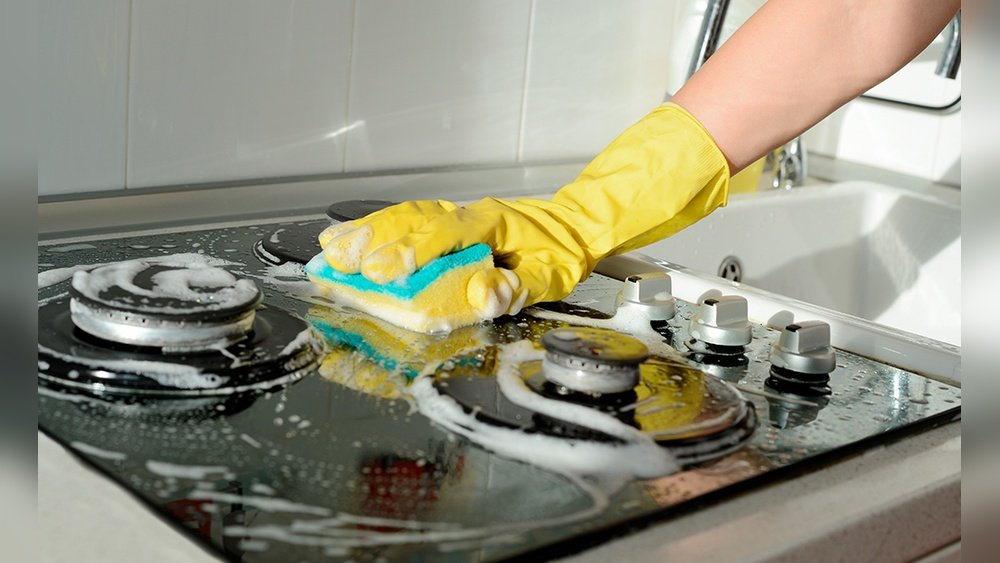
Remove oven racks and soak them in warm, soapy water. Use a baking soda paste to scrub oven interiors gently. Avoid harsh chemicals that can damage surfaces. Clean stove burners by removing them and wiping off grease. Use a soft cloth with vinegar to clean knobs and control panels. Wipe all surfaces dry to prevent rust and damage.
Refrigerator Maintenance
Empty the fridge before cleaning to avoid food spoilage. Remove shelves and drawers for a thorough wash with warm water. Use a mild detergent or baking soda solution to clean the inside walls. Wipe seals carefully to remove dirt and mold. Clean the exterior with a damp cloth and dry it well. Check and clean the drip pan to stop bad odors.
Microwave Cleaning Tips
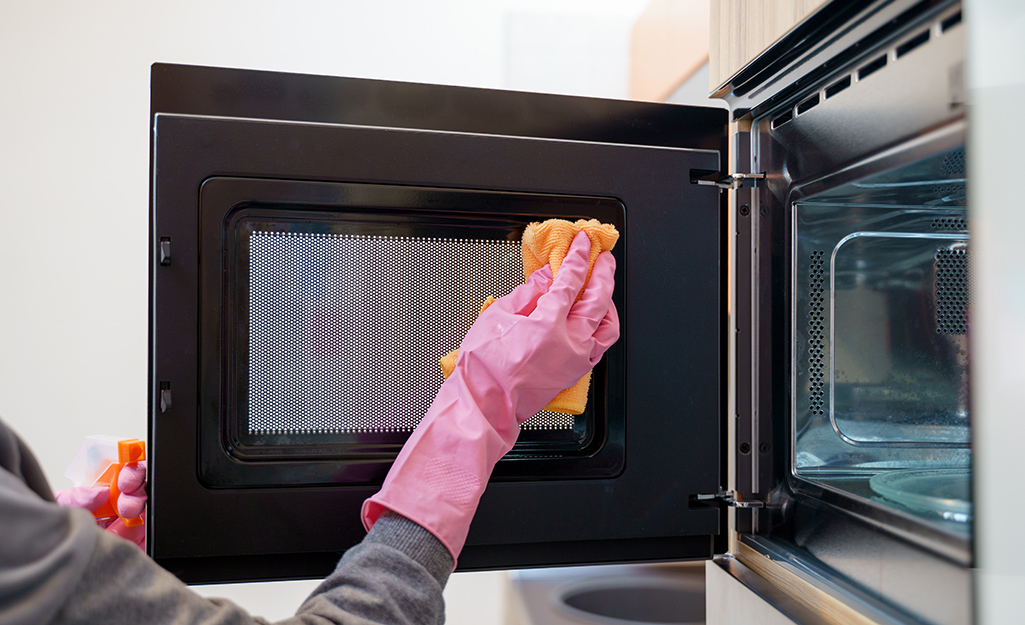
Place a microwave-safe bowl with water and lemon slices inside. Heat it for five minutes to loosen food stains. Wipe the interior with a soft cloth or sponge. Use a gentle cleaner for the microwave door and buttons. Remove and clean the turntable regularly with warm, soapy water. Keep the microwave dry to prevent mold and smells.
:max_bytes(150000):strip_icc()/clean-small-kitchen-appliances-4153520-05-58415d047a2a49dd87b1e8a1bdb3d6ed.jpg)
Credit: www.thespruce.com
Safe Cleaning Practices
Safe cleaning practices protect your kitchen appliances and keep your home healthy. Cleaning with care avoids damage to surfaces and prevents harmful chemical reactions. Follow simple steps to clean appliances safely and effectively.
Proper Use Of Microfiber Cloths
Microfiber cloths work well for cleaning kitchen appliances. They pick up dirt and grease without scratching surfaces. Use a damp microfiber cloth with mild soap or water. Avoid using fabric softeners on these cloths, as they reduce cleaning power. Wash them separately to keep them clean and effective.
Handling Tough Stains
Tough stains need extra care and the right products. Use baking soda mixed with water to make a gentle paste. Apply it on stains and let it sit for a few minutes. Then, scrub gently with a soft cloth. Avoid harsh scrubbing or abrasive cleaners that can damage appliance finishes. Test cleaning solutions on a small area first.
Ventilation And Safety Measures
Good ventilation helps remove fumes from cleaning products. Open windows or use fans while cleaning. Wear gloves to protect your skin from chemicals and hot water. Never mix cleaning products like vinegar and bleach together. This can create dangerous gases. Store cleaning supplies safely, out of reach of children and pets.
Chemical Combinations To Avoid
Chemicals are common in kitchen cleaning. Mixing some can cause harm. Avoid certain combinations to keep your kitchen safe. Knowing which chemicals not to mix helps protect your health and appliances.
Dangers Of Mixing Vinegar With Bleach
Vinegar and bleach create toxic chlorine gas. This gas irritates eyes, throat, and lungs. It can cause coughing, breathing problems, and even severe health issues. Never mix these two cleaners, even in small amounts.
Risks Of Combining Vinegar And Hydrogen Peroxide
Mixing vinegar with hydrogen peroxide forms peracetic acid. This acid is corrosive and can irritate skin and eyes. It also damages surfaces and metal parts in appliances. Use these cleaners separately to avoid harm.
Why Vinegar And Baking Soda Should Not Be Mixed
Vinegar and baking soda react strongly. They create carbon dioxide gas quickly. If sealed in a container, pressure builds and may cause an explosion. This reaction wastes cleaning power and can be dangerous.
Other Hazardous Chemical Mixes
Avoid mixing bleach with ammonia or rubbing alcohol. These combinations produce harmful gases. Also, do not mix different brands of cleaners. Their ingredients may react unexpectedly. Always read labels and use one cleaner at a time.
Maintaining Appliance Appearance
Maintaining the appearance of kitchen appliances keeps your kitchen looking fresh and inviting. Clean and shiny appliances create a pleasant cooking environment. They also help your appliances last longer by preventing damage from dirt and grime. Simple habits can protect the finish and keep appliances looking new. Focus on regular care and smart cleaning methods.
Regular Cleaning Schedules
Set a cleaning routine to avoid buildup of dirt and stains. Wipe surfaces daily with a soft cloth and mild cleaner. Deep clean appliances weekly, focusing on handles, buttons, and edges. Regular schedules stop grime from hardening, making cleaning easier. Consistency keeps appliances spotless and well-maintained.
Preventing Fingerprints And Smudges
Fingerprints and smudges dull the appliance’s surface quickly. Use a microfiber cloth to wipe fingerprints regularly. Avoid harsh chemicals that can damage finishes. Oils from hands spread easily, so clean handles and touchpoints often. Keeping these areas clean preserves the appliance’s shine and look.
Using Protective Finishes Safely
Protective finishes can add a layer of defense for appliances. Choose finishes that are safe for your appliance material. Test new products on a small area first to avoid damage. Follow manufacturer instructions carefully when applying finishes. Proper use of protective coatings helps maintain shine without harm.

Credit: blog.service.works
Frequently Asked Questions
What Is The Best Thing To Clean Kitchen Appliances With?
Use a liquid cleaner with warm water and a microfiber cloth to clean kitchen appliances. Vinegar diluted in water cuts grease effectively. Always wipe along the grain and avoid abrasive cloths, waxes, or polishes to protect the appliance finish.
What Is The 20 Minute Rule In Cleaning?
The 20 minute rule in cleaning means dedicating 20 minutes daily to tidy up. This quick habit prevents mess buildup and keeps spaces manageable.
What Is The 50 50 Rule For Appliances?
The 50 50 rule for appliances means using equal parts water and vinegar to clean surfaces effectively. It cuts grease and grime safely.
What Should You Not Mix Vinegar With For Cleaning?
Do not mix vinegar with bleach, hydrogen peroxide, or baking soda. These combinations create toxic gases or dangerous reactions. Mixing vinegar and bleach releases chlorine gas. Vinegar with hydrogen peroxide forms corrosive peracetic acid. Vinegar and baking soda produce mostly ineffective saltwater and carbon dioxide, risking explosions in closed containers.
Conclusion
Cleaning kitchen appliances regularly keeps them working well and looking nice. Use gentle cleaners like vinegar and warm water for best results. Always wipe in the direction of the grain to avoid damage. Avoid mixing cleaning products to stay safe.
Simple tools like microfiber cloths make cleaning easier. A clean kitchen feels fresh and helps prevent germs. Try these easy tips to keep your appliances spotless every day. Small efforts lead to a cleaner, healthier kitchen space.