
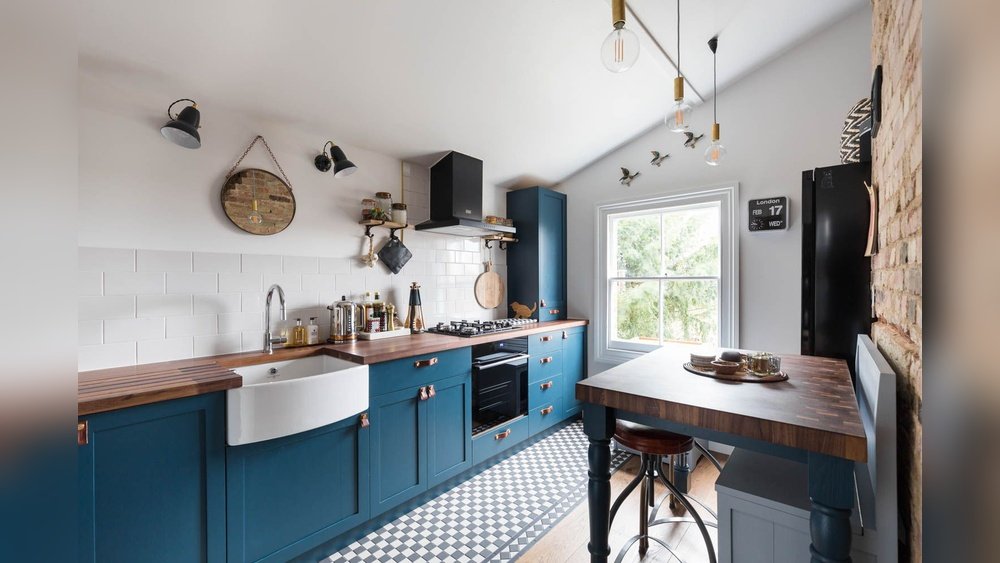
Struggling to keep your small kitchen neat and functional without a pantry? You’re not alone.
When space is tight, finding smart ways to store your food and kitchen essentials can feel overwhelming. But here’s the good news: you don’t need a traditional pantry to create an organized, clutter-free kitchen. With clever tricks like using vertical storage, door racks, and multi-purpose furniture, you can transform every inch of your kitchen into a practical, easy-to-navigate space.
Ready to discover how to make your kitchen work better for you? Keep reading—your kitchen makeover starts now.
:strip_icc()/neatbymeg_75426252_407609743249297_4222577865419810231_n-59141ad79e724822b9f7bef97c3d3c21.jpg)
Credit: www.mydomaine.com
Maximize Vertical Space
Maximizing vertical space is a smart way to organize a small kitchen without a pantry. It opens up storage options without taking up floor space. Using your walls and empty vertical areas keeps your kitchen tidy and functional. Here are three effective ways to use vertical space for better kitchen organization.
Install Floating Shelves
Floating shelves add storage without bulky cabinets. They keep items visible and easy to reach. Use them to store dishes, spices, or cookbooks. Choose sturdy materials to hold heavier items safely. Arrange shelves at different heights for flexible storage.
Use Wall-mounted Racks
Wall-mounted racks free up counter space by holding pots, pans, and utensils. Hooks or bars keep frequently used tools within reach. This setup helps keep your kitchen organized and saves drawer space. Pick racks that match your kitchen style for a neat look.
Add Pegboard Storage
Pegboards offer customizable storage on any empty wall. You can hang pots, pans, or kitchen gadgets using hooks. Change the layout anytime to fit your needs. Pegboards keep your kitchen tools visible and easy to find. Paint the pegboard to match your kitchen decor for a clean finish.
Use Door-mounted Organizers
Door-mounted organizers save space and keep your kitchen tidy. They create extra storage on unused surfaces. Perfect for small kitchens without pantries. These organizers make items easy to reach and view. You can store spices, cleaning supplies, and small kitchen tools.
Over-the-door Racks
Over-the-door racks hang on cabinet or pantry doors. They hold jars, cans, and bottles securely. These racks use vertical space efficiently. Installing them is simple and does not damage doors. Adjustable racks fit different door sizes. Use racks with multiple tiers to maximize storage. They help keep countertops clear and organized.
Inside Cabinet Doors
Mount small racks or hooks inside cabinet doors. Store measuring spoons, pot lids, or cutting boards. This keeps items hidden but easily accessible. Use magnetic strips or small baskets for extra versatility. Organizing inside doors frees up shelf space. It also prevents clutter on kitchen counters. Choose slim organizers to avoid door closing issues.
Optimize Cabinets
Optimizing cabinets is key to organizing a small kitchen without a pantry. Cabinets hold many kitchen items but often stay cluttered. Using smart tools and techniques can make cabinets work better. This creates more space and keeps everything easy to find.
Add Pull-out Shelves
Pull-out shelves make deep cabinets more useful. They slide out, so you can reach items at the back easily. These shelves help keep things organized and prevent stacking too high. You can see all your items without moving others.
Use Lazy Susans
Lazy Susans are rotating trays that fit inside cabinets. They help you access spices, jars, and small bottles quickly. Spinning the tray brings items to the front without digging through the cabinet. They work well in corner cabinets or tight spots.
Organize Deep Cabinets
Deep cabinets need clear organization to avoid wasted space. Use stackable bins to group similar items together. Label bins for quick identification. Store heavy or less-used items in the back, and daily items at the front. Keep the cabinet tidy by removing things you rarely use.

Credit: sunnydazedecor.com
Repurpose Nearby Spaces
Repurposing nearby spaces offers smart storage solutions for kitchens without a pantry. It creates extra room for food and kitchen tools. These methods use areas already in or near your kitchen. They help keep your kitchen neat and efficient.
Convert Closets
Closets near the kitchen can become food storage zones. Empty a hall or linen closet and add shelves or bins. Use clear containers to see contents quickly. Label containers for easy identification. This turns a simple closet into a mini-pantry. It keeps dry goods, cans, and snacks organized and accessible.
Utilize Space Above Appliances
The top of your refrigerator or other tall appliances is often unused. Add baskets or storage bins to hold less-used items. Stack lightweight boxes to keep things tidy. This space is perfect for bulk goods or seasonal kitchen tools. Using this area frees up cabinet space for daily essentials.
Choose Functional Furniture
Choosing the right furniture is key to organizing a small kitchen without a pantry. Functional furniture helps store items neatly while saving space. It creates extra storage spots without crowding your kitchen. Use furniture that fits your kitchen size and style. This way, your kitchen looks tidy and feels roomy.
Bookshelves As Pantries
Bookshelves work well as pantry substitutes. They offer open shelves to store jars, cans, and boxes. Choose tall bookshelves to use vertical space effectively. Use baskets on shelves to group small items. Cover shelves with a curtain for a cleaner look. This method keeps food visible and easy to reach.
Rolling Storage Carts
Rolling carts add flexible storage options. Move them around to where you need extra space. Use carts with multiple shelves to hold spices, utensils, or small appliances. Some carts have drawers for hidden storage. When not in use, tuck them under counters or in corners. They keep kitchen essentials organized and mobile.
Credenzas And Dressers
Credenzas and dressers serve as stylish storage pieces. They offer drawers and cabinets for dry goods and cookware. Use drawer dividers to separate utensils and kitchen tools. Place a dresser against a free wall to add counter space on top. This furniture adds charm while boosting your kitchen’s storage capacity.
Organize With Containers
Containers are essential for organizing a small kitchen without a pantry. They help keep items neat and easy to find. Using containers maximizes space and reduces clutter. This method turns crowded shelves into tidy, functional areas. Containers protect food and make the kitchen look clean and inviting.
Use Uniform Bins
Choose bins of the same size and shape. Uniform bins stack well and save space. They create a balanced look on shelves and cabinets. Sorting items by type inside these bins makes it simple to find what you need. Uniformity also helps when you want to change or add storage later.
Label Clearly
Labels speed up your kitchen work. Write the name of the item on each container. Use big, clear fonts for easy reading. Labeling prevents confusion and saves time searching for ingredients. It also helps everyone in the home keep the kitchen organized.
Choose Clear Containers
Clear containers show what is inside at a glance. They reduce the need to open every box or jar. This saves time while cooking or cleaning. Seeing contents easily helps you know when to restock. Clear containers also make the kitchen look bright and open.
Group Similar Items
Grouping similar items in a small kitchen without a pantry helps keep everything neat. It saves time and space. You can find what you need quickly. Grouping also prevents clutter and makes your kitchen look tidy.
Sorting items by type creates clear zones. This method works well for baking supplies, canned goods, and snacks. Each group has its own spot. This way, your kitchen feels organized and efficient.
Separate Baking Supplies
Keep all baking ingredients together. Flour, sugar, baking powder, and spices belong in one area. Use clear containers or jars for easy access. Label each container to avoid confusion. Store measuring cups and spoons nearby. This setup speeds up baking and reduces mess.
Organize Canned Goods
Arrange canned goods by type and size. Place soups, vegetables, and beans in separate groups. Stack cans safely to save space. Use tiered shelves or racks for better visibility. Check expiration dates regularly. Toss expired cans to keep your kitchen fresh.
Arrange Snacks Efficiently
Group snacks in one accessible spot. Use baskets or bins to hold chips, crackers, and nuts. Keep healthier options together for easy choice. Rotate snacks to use older items first. This method avoids scattered snacks and keeps your counters clear.
Create Smart Storage Zones
Creating smart storage zones transforms a small kitchen without a pantry. It helps keep things tidy and easy to find. Dividing your kitchen into clear areas makes cooking faster and cleaning simpler. Smart zones use every inch wisely and reduce clutter.
Designate Prep Areas
Choose a spot for food preparation near the sink or fridge. Keep cutting boards, knives, and mixing bowls here. Use small containers or trays to hold spices and oils. This keeps everything close and ready for use. Clear the counter except for essential tools to save space.
Set Up Cooking Zones
Place pots, pans, and cooking utensils near the stove. Store lids, oven mitts, and cooking spoons together. Use hooks or magnetic strips to hang tools on the wall. Keep spices and oils in a small rack nearby. This setup speeds up cooking and reduces movement.
Establish Cleaning Stations
Create a cleaning area around the sink and trash bin. Store dish soap, scrubbers, and towels under the sink. Use small baskets to keep these items organized and easy to grab. Keep trash bags and recycling bins close to save time. A tidy cleaning station helps maintain kitchen order.
Frequently Asked Questions
How To Organize A Small Kitchen With No Pantry?
Use vertical shelving, door racks, and pull-out bins to maximize space. Group similar items in labeled containers. Add freestanding units like rolling carts or bookshelves. Utilize wall-mounted organizers and under-appliance areas for extra storage. Keep counters clear to maintain an organized, efficient small kitchen without a pantry.
What To Use Instead Of A Pantry?
Use cabinets, closets, or freestanding furniture like bookshelves and rolling carts. Add wall shelves, door racks, and labeled bins for organized, accessible storage.
How Do I Decide Where To Put Things In My Kitchen?
Place frequently used items within easy reach near prep areas. Group similar items together for quick access. Use vertical and door storage to save space. Store heavy items low and lightweight ones higher. Keep countertops clear to maintain an efficient workflow.
How To Organize A Small Kitchen Without Cabinets?
Use vertical shelves, wall-mounted racks, and rolling carts to maximize space. Group items in labeled containers. Add drawer organizers and pull-out bins for easy access. Choose furniture with hidden storage to keep the kitchen tidy and efficient without cabinets.
Conclusion
Organizing a small kitchen without a pantry takes some creativity. Use every inch wisely with shelves, racks, and bins. Group similar items together for easy access. Choose furniture that offers hidden storage options. Keep your kitchen tidy by regularly decluttering and rearranging.
Small kitchens can feel open and efficient with smart planning. Simple steps make cooking and cleaning more enjoyable. Start today and enjoy a neat, functional kitchen space.