
Thinking about adding a kitchen island but not sure if your space can handle it? You’re not alone.
Many homeowners wonder, “How wide does a kitchen need to be for an island? ” Getting this right is key to making your kitchen both beautiful and functional. Too small, and the island will crowd the space; too large, and it might block movement and workflow.
You’ll discover the ideal kitchen width needed to comfortably fit an island, the clearance you must leave for easy movement, and smart tips to maximize your kitchen’s layout. Keep reading to find out how to create a kitchen island that fits perfectly in your home and elevates your cooking and entertaining experience.
Kitchen Island Size Basics
A kitchen island can boost your kitchen’s function and style. Choosing the right size is key for smooth movement and easy use. The island should fit well within your kitchen space without crowding. Understanding the basic dimensions helps plan a practical kitchen island.
Standard Dimensions
Most kitchen islands are about 4 feet long and 2 feet wide. This size fits well in many kitchens and offers enough workspace. Islands can be larger or smaller based on your kitchen size and needs. A common height is 36 inches, matching standard counter height. For seating, add an overhang of about 12 inches.
Minimum Width Requirements
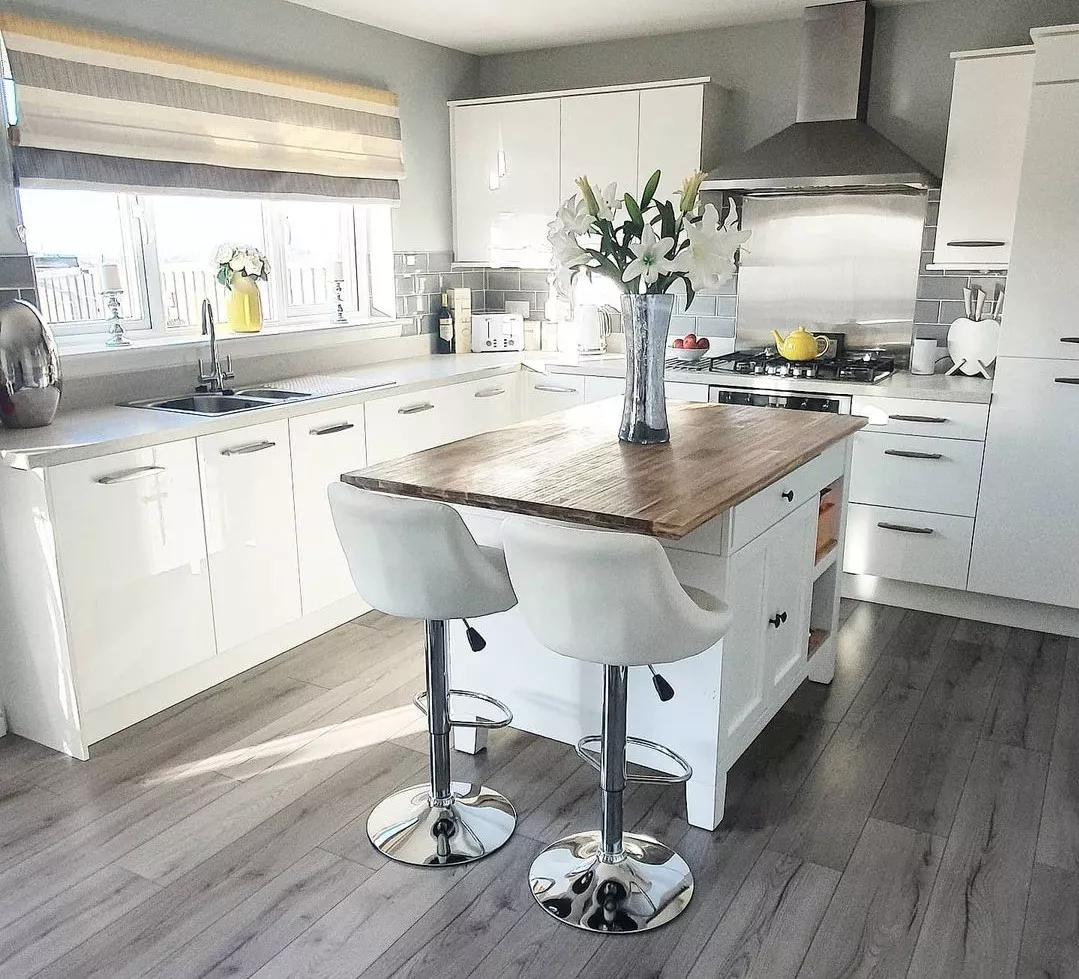
Your kitchen needs at least 10 feet in width to fit a standard island comfortably. This space allows for 3 feet of clearance on each side of the island. Clearance is important for walking and opening cabinets or appliances. If your kitchen is narrower, consider a smaller island or a mobile cart. Always leave enough room to avoid a cramped kitchen.
Credit: furniture.co.uk
Space Around The Island
The space around a kitchen island affects its usability and comfort. Proper clearance allows smooth movement and easy access. Crowded areas make cooking and cleaning harder. Designers suggest specific distances to keep the kitchen functional and safe.
Clearance zones help prevent accidents and improve workflow. They also create a balanced look in the kitchen. Paying attention to space around the island makes the kitchen more inviting and practical.
Recommended Clearance
Most experts suggest at least 36 inches of clearance around the island. This space lets two people pass each other comfortably. For kitchens with heavy traffic, 42 to 48 inches is better. This wider gap helps when opening appliances or moving large items.
Clearance between the island and cabinets or walls matters too. It keeps doors and drawers fully functional without obstruction. Without enough space, you may struggle to reach or use appliances properly.
Walkway Width
The walkway between the island and other kitchen elements should be wide enough. A minimum width of 36 inches works for normal traffic. Wider walkways, around 42 inches, allow easier two-way movement. Narrow paths slow down kitchen tasks and cause frustration.
Consider who uses the kitchen most. If children or elderly people often pass through, wider walkways improve safety. Spacious paths also help when carrying hot pots or heavy trays.
Avoiding Bottlenecks
Bottlenecks happen when spaces get too tight around the island. These blockages slow movement and can cause accidents. Avoid placing the island too close to ovens, sinks, or refrigerators. These areas need extra room for opening doors and using appliances.
Plan the island location with kitchen workflow in mind. Keep key work zones clear of obstacles. This prevents crowding and improves overall kitchen efficiency.
Kitchen Width For Island Fit
Planning a kitchen island starts with understanding the space needed. The width of your kitchen plays a key role in deciding if an island fits well. Enough room around the island ensures smooth movement and usability. This section breaks down kitchen width requirements for island installation.
Minimum Kitchen Width
The smallest kitchen width to fit an island is about 10 feet. This size allows for a narrow island with walking space on both sides. At least 36 inches of clearance is needed between the island and counters or appliances. Less space causes tight movement and a cramped feel.
Ideal Kitchen Width
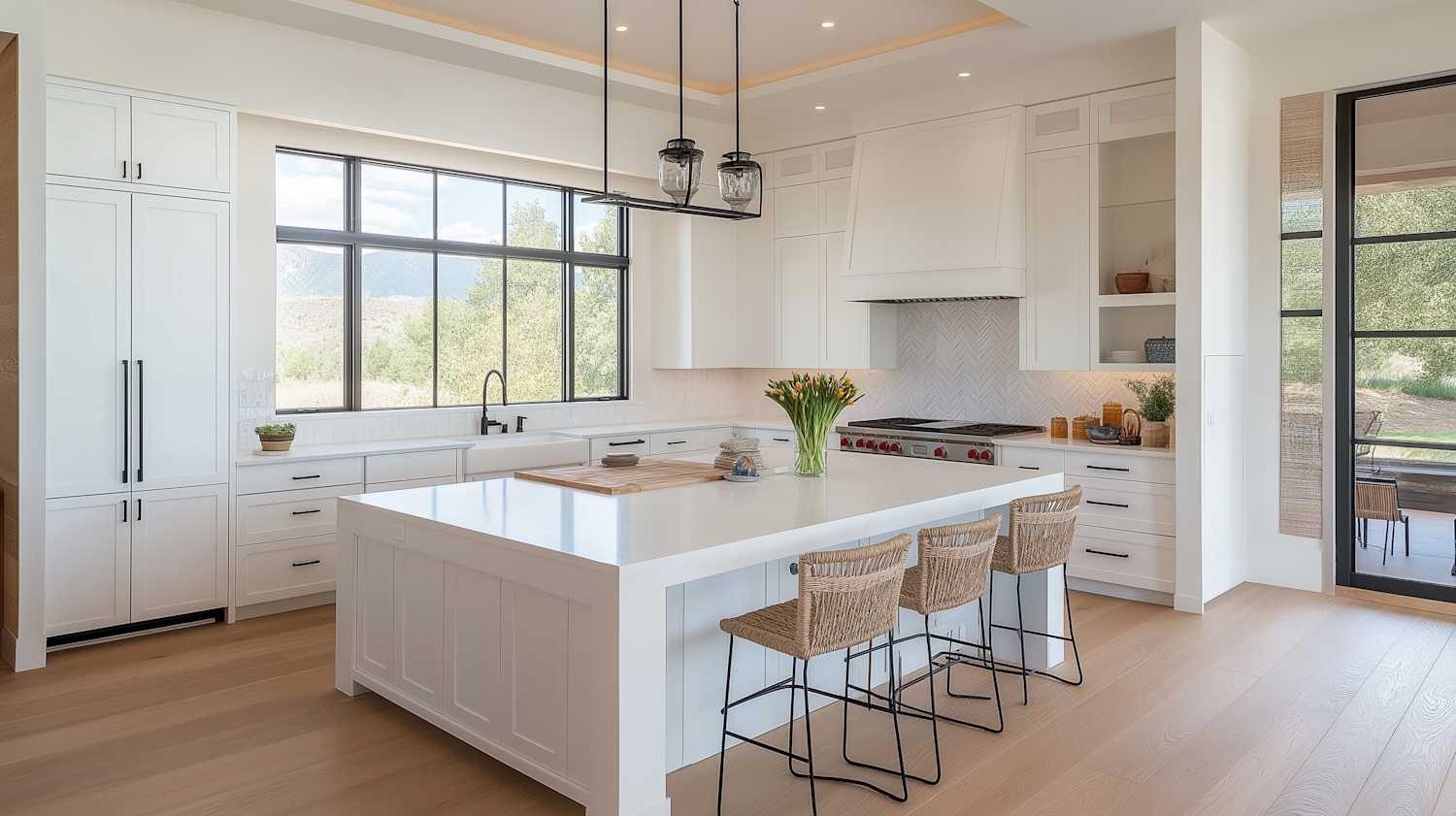
An ideal kitchen width for an island is around 12 to 14 feet. This width supports larger islands with seating, storage, and appliances. It offers 42 to 48 inches of clearance around the island for comfort. This space improves kitchen flow and usability significantly.
Small Kitchen Alternatives
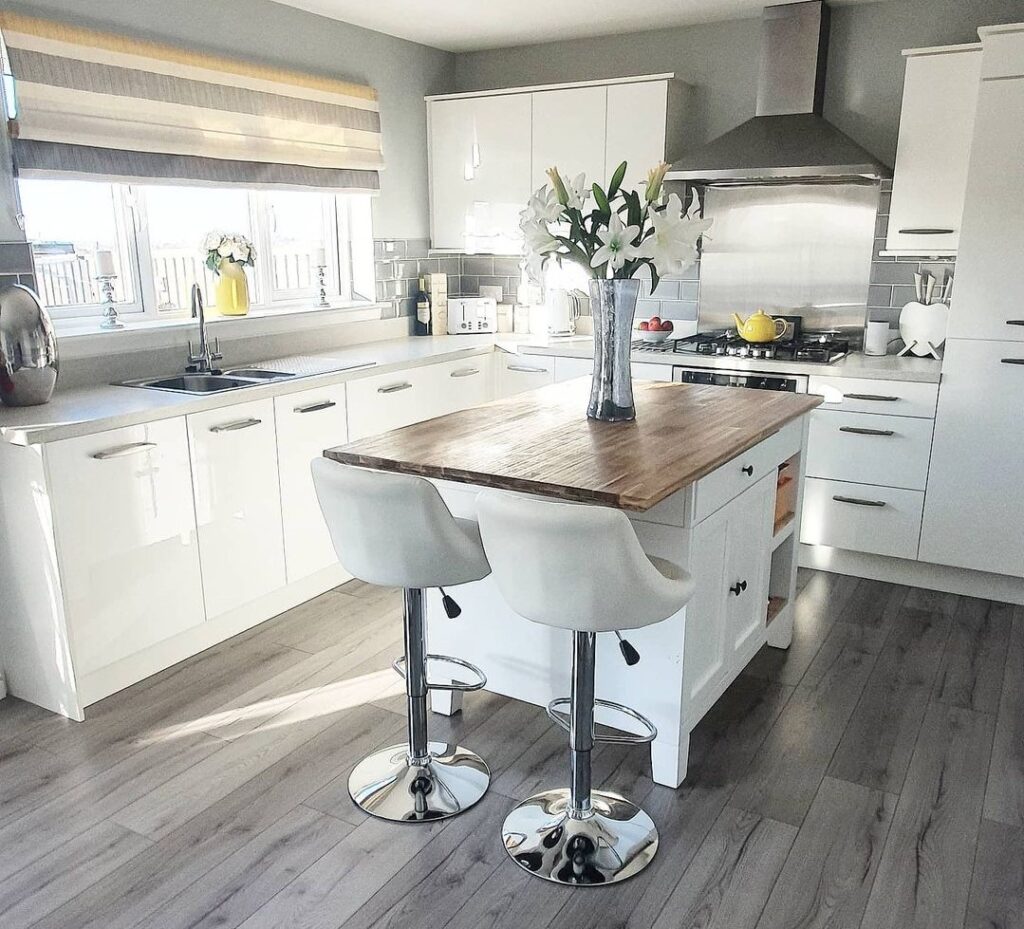
Small kitchens under 10 feet wide can use alternatives to a fixed island. A mobile butcher block cart works well and can be moved as needed. Narrow peninsula counters or wall-mounted foldable tables add workspace without crowding. These options keep kitchens functional and open.
Credit: furniture.co.uk
Layout Considerations
Designing a kitchen with an island requires careful layout planning. The island must fit comfortably without crowding the space. Proper spacing allows easy movement and efficient workflow. Consider how the island affects the kitchen’s main work areas. The layout should support cooking, cleaning, and storage tasks smoothly.
Golden Triangle Rule
The Golden Triangle Rule guides kitchen layout for better efficiency. It connects the three key areas: stove, sink, and refrigerator. These points should form a triangle with sides between 4 and 9 feet. This distance allows easy access without too much walking. Placing the island inside or near this triangle can improve your kitchen flow. Avoid blocking paths between these zones with the island.
Island Placement Tips
Leave at least 36 to 48 inches of space around the island. This clearance lets people move freely and open doors or drawers. Position the island so it does not interrupt the kitchen work triangle. Place it close to the cooking or prep area for convenience. Avoid placing the island too near walls or appliances. Consider seating options on one side without narrowing walkways. Think about how the island fits your kitchen shape and size.
Functional Island Features
Designing a kitchen island requires more than just fitting it into the space. Functional features make the island useful and improve your kitchen flow. These features help decide how wide the kitchen needs to be for the island. Let’s explore key aspects that add function to your kitchen island.
Seating Space
Seating is a popular feature for kitchen islands. It creates a casual dining area and a spot for guests to gather. Plan for at least 24 inches of width per person for comfortable seating. The island should have enough overhang to provide legroom. This space prevents crowding and allows easy movement.
Storage Options
Storage makes the island more practical. Cabinets and drawers can hold pots, pans, and utensils. Shelves offer quick access to cookbooks or small appliances. Including storage means less clutter on countertops. Your kitchen will stay organized and tidy, saving time while cooking.
Appliance Integration
Adding appliances to the island enhances its function. A cooktop or sink in the island creates a work zone separate from other counters. Built-in appliances save counter space and improve kitchen layout. Plan for plumbing and electrical needs early to fit appliances smoothly.
Common Measurement Mistakes
Common measurement mistakes can lead to a kitchen island that feels cramped or awkward. Many homeowners focus on the island size but forget the surrounding space. Proper spacing ensures easy movement and a comfortable kitchen experience. Avoiding these mistakes helps create a balanced and functional kitchen layout.
Overestimating Space
One frequent error is overestimating the available kitchen space. People often plan a large island without measuring the actual room dimensions accurately. This mistake can make the kitchen feel tight and limit movement. Always measure twice and consider the full layout before choosing island dimensions.
A kitchen island should leave enough clearance on all sides. At least 36 to 48 inches of space is ideal for walking and working around the island. Overestimating space reduces this clearance and creates congestion.
Ignoring Traffic Flow
Ignoring how people move around the kitchen is another common mistake. The island should not block main pathways or access to appliances. Poor traffic flow makes cooking and cleaning frustrating.
Plan the island placement to allow smooth movement between the sink, stove, and refrigerator. This setup prevents bottlenecks and keeps the kitchen efficient. Keep walkways clear and wide enough for multiple users.
Customizing Island Size
Customizing the size of your kitchen island is key to creating a space that fits your needs perfectly. The island should complement the kitchen’s size and shape. It should also serve its intended purpose well, whether for cooking, dining, or storage. Careful planning helps avoid crowded or underused islands.
Matching Kitchen Layout
The island size must match the kitchen layout. In a large kitchen, a bigger island can work well. It offers more workspace and seating. Smaller kitchens need smaller islands or portable options. Keep at least 36 to 48 inches of clearance around the island. This space allows easy movement and access to appliances. Align the island with the kitchen’s main work zones for better flow.
Multi-purpose Islands
Many islands serve multiple purposes. They can act as a prep area, dining spot, and storage unit. Adding seating means the island size must allow enough legroom. Islands with sinks or cooktops require more space for safety and function. Think about what tasks you do most in your kitchen. Customize the island size to fit those daily activities. A well-sized island improves efficiency and comfort in the kitchen.
Credit: www.solidconstructiondesign.com
Practical Tips
Creating a kitchen island requires careful planning. Space around the island must allow for easy movement. Practical tips help balance style and function. These tips suit kitchens of different sizes. They guide how to use space wisely.
Using Mobile Islands
Mobile islands are great for small kitchens. They can move as needed. This flexibility helps save space. You can push the island aside when not in use. Mobile islands often come with wheels. Some have extra storage or a cutting board on top.
Mobile islands allow for quick kitchen changes. They add work surface without crowding. Make sure there is enough room to move them easily. Check the path so no obstacles block movement.
Adjustable Island Solutions
Adjustable islands change size to fit your needs. Some have foldable sides or extendable tops. These features add extra space during cooking or dining. When not needed, the island shrinks to save room.
Adjustable islands suit kitchens with limited width. They help keep enough walking space around. Choose designs that are easy to adjust. This keeps your kitchen functional and spacious.
Frequently Asked Questions
What Is The Minimum Width Of A Kitchen To Have An Island?
A kitchen needs at least 10 feet in width to comfortably fit an island. Ensure 36-48 inches of clearance around it for easy movement.
Can You Have An Island In A 10×10 Kitchen?
A 10×10 kitchen can fit a small island if you allow at least 36 inches of clearance on all sides. Choose a compact design for better movement.
Can You Have An Island In A 12×12 Kitchen?
Yes, you can have an island in a 12×12 kitchen. Ensure at least 36 inches of clearance around it for comfortable movement. Choose a compact island to maximize space without crowding.
What Is The 3 Kitchen Rule?
The 3 kitchen rule, or kitchen work triangle, optimizes layout by placing the sink, stove, and refrigerator in a triangular pattern. This design reduces movement, improves efficiency, and enhances workflow during cooking and cleaning tasks.
Conclusion
A kitchen island needs enough space to move freely around it. Aim for at least 42 to 48 inches of clearance on all sides. This width allows for comfortable cooking and easy traffic flow. A well-sized island adds both function and style to your kitchen.
Remember, planning space carefully makes your kitchen safer and more enjoyable. Choose dimensions that fit your kitchen’s size and your daily needs. A good kitchen island makes cooking and gathering easier for everyone.