Thinking about starting a ghost kitchen but not sure where to begin? You’re in the right place.
Setting up a ghost kitchen can open doors to a profitable food business without the high costs of a traditional restaurant. But to succeed, you need a clear plan—from choosing the right concept to navigating licenses and building a strong online presence.
This guide will walk you through every essential step, helping you turn your kitchen idea into a thriving delivery-only brand. Keep reading to discover how to set up your ghost kitchen the smart way and get ahead in the booming food delivery market.
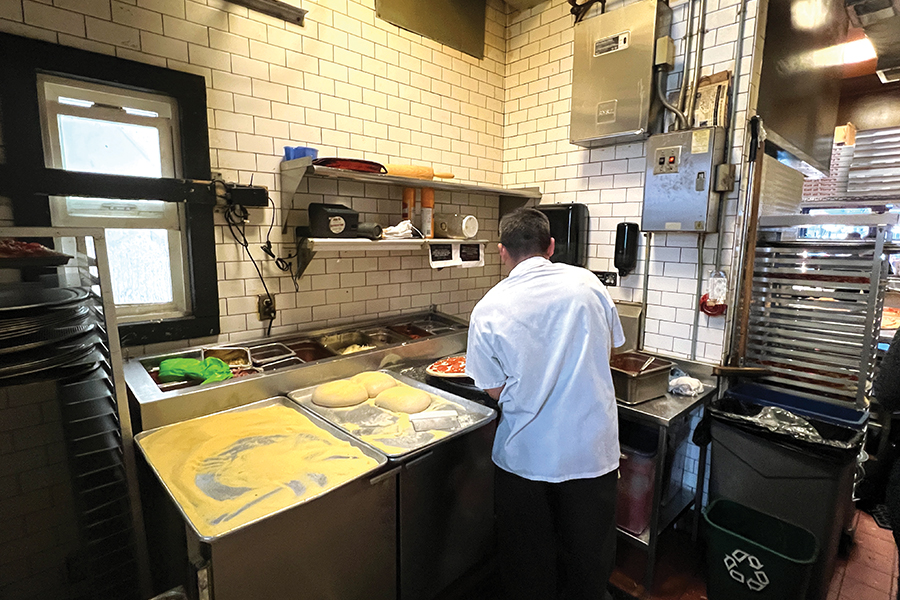
Credit: pizzatoday.com
Choosing A Concept
Choosing the right concept sets the foundation for a successful ghost kitchen. It shapes your menu, target audience, and marketing strategies. A clear concept helps stand out in a crowded market. Focus on what makes your kitchen unique and appealing.
Finding A Niche
Identify a food category that has strong demand but low competition. Use delivery app data and Google Trends to spot popular and underserved cuisines. Target a specific group, like vegan meals or comfort food. Narrowing your focus helps attract loyal customers quickly. Avoid broad menus that confuse or overwhelm.
Creating A Brand Identity
Build a brand that connects with your chosen niche. Design a simple logo and use consistent colors and fonts. Showcase high-quality photos of your dishes online. Craft a clear message that explains your food style and values. A strong brand makes your kitchen memorable without a physical storefront. Keep your online presence active and engaging to boost orders.
Selecting A Location
Choosing the right location is a key step in setting up a ghost kitchen. The location affects your delivery reach, costs, and kitchen efficiency. Select a site that matches your business needs and budget. Consider local demand and proximity to customers. Evaluate kitchen size, equipment, and parking availability. The location should also meet health and safety standards. Understanding your options helps you pick the best place to operate smoothly.
Shared Kitchens
Shared kitchens offer space rented by multiple food businesses. This setup lowers start-up costs by sharing rent and utilities. It is ideal for new operators with limited budgets. Shared kitchens often come fully equipped and licensed. You benefit from a ready-to-use space without long-term commitments. However, sharing space means following strict schedules and kitchen rules. Location is usually near urban areas for quick deliveries. This option helps test your concept with less risk.
Dedicated Ghost Kitchen Facilities
Dedicated ghost kitchen facilities focus only on delivery-based food services. These kitchens provide specialized infrastructure and technology. They often include multiple kitchen pods under one roof. Facilities support quick order processing and efficient workflows. They also handle maintenance and compliance tasks. Choosing a dedicated facility means you get a professional environment. These locations are designed for high order volumes. Rent may be higher but includes many services.
Repurposed Restaurant Space
Repurposing a restaurant space uses an existing kitchen during off-hours. This saves money by utilizing unused capacity. It suits operators who want full control over their kitchen. The space is already equipped and meets regulations. You can modify it to fit your menu and style. The location often has an established customer base nearby. This option requires careful scheduling to avoid conflicts. Repurposed spaces offer flexibility and familiarity.
Licenses And Regulations
Starting a ghost kitchen requires careful attention to licenses and regulations. These rules keep your business legal and safe. Knowing what licenses you need helps avoid fines and closures. Meeting health and safety standards protects your customers. This section explains the key permits and certifications for your ghost kitchen.
Business Registration
Register your ghost kitchen as a legal business. Most ghost kitchens use an LLC for protection and flexibility. Obtain an Employer Identification Number (EIN) from the IRS. This number is necessary for taxes and hiring employees. Register your business name with the state or county. This step makes your ghost kitchen official and recognized by authorities.
Food Safety Certifications
Food safety is critical for any kitchen. Obtain a Food Service License from your local health department. This license shows your kitchen meets food safety standards. Train your staff with food handler certificates. These certificates prove they understand safe food preparation. Regularly update certifications to stay compliant with laws.
Health And Fire Inspections
Your ghost kitchen must pass health and fire inspections. Health inspections ensure cleanliness and safe food storage. Fire inspections check for proper exits, alarms, and fire extinguishers. Schedule these inspections before opening your kitchen. Fix any issues quickly to meet all safety codes. Maintaining good inspection records builds trust with customers and regulators.
Equipment And Technology
Setting up a ghost kitchen requires the right equipment and technology. These elements help run operations smoothly and efficiently. Proper tools and systems improve food quality and speed up orders. Investing in reliable technology supports growth and customer satisfaction.
Kitchen Tools And Appliances
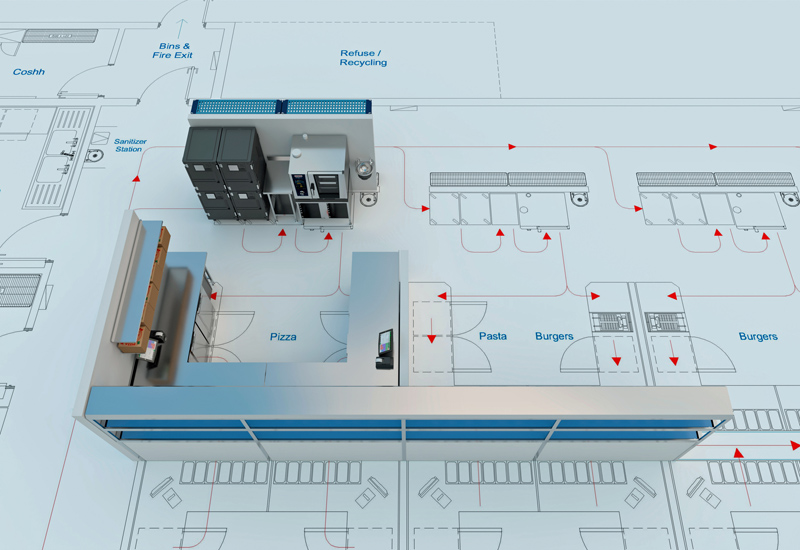
Select appliances that fit your menu and kitchen size. Essential tools include ovens, fryers, grills, and refrigerators. Use durable cookware and utensils to handle high volume. Consider energy-efficient models to save on utility bills. Organize the kitchen layout for easy access and safety.
Order Management Software
Order management software keeps all delivery requests in one place. It reduces errors and speeds up processing time. Choose software that integrates with popular food delivery apps. Track orders from receipt to delivery in real time. Use analytics from the software to improve operations.
Pos And Inventory Systems
A good Point of Sale (POS) system simplifies payments and sales tracking. It links directly to inventory systems to update stock levels automatically. This helps avoid running out of ingredients or over-ordering. Select systems that are easy to use and customize. Reliable POS and inventory tools reduce waste and increase profits.
Delivery And Packaging
Delivery and packaging are vital parts of running a successful ghost kitchen. They ensure your food reaches customers fresh and intact. A smooth delivery process boosts customer satisfaction and repeat orders. Packaging must protect the food and keep it hot or cold as needed. Clear, attractive packaging also helps build your brand identity. These factors affect your ghost kitchen’s reputation and growth.
Order Aggregation Platforms
Use order aggregation platforms to manage multiple delivery apps. These tools collect orders from Uber Eats, DoorDash, Grubhub, and others in one place. It reduces errors and speeds up order processing. Choose a platform that fits your kitchen size and budget. Track real-time orders and delivery status easily. This helps your staff stay organized and efficient.
Packaging Solutions
Choose packaging that keeps food fresh and secure during transit. Use insulated bags and containers for temperature control. Eco-friendly materials appeal to customers and reduce waste. Include clear labels with your brand and order details. Test different packaging types to find what works best. Good packaging prevents spills and maintains food quality.
Pick-up And Handoff Procedures
Design a clear pick-up area for delivery drivers. Keep it clean and easy to access. Train staff to pack orders quickly and check them before handoff. Use a system to confirm each order leaves on time. Communicate with drivers about any delays or special instructions. Efficient handoff reduces wait times and keeps deliveries on schedule.

Credit: www.foragekitchen.com
Marketing Strategies
Marketing strategies play a key role in the success of a ghost kitchen. Without a physical storefront, your marketing efforts must focus on digital channels and creative partnerships. Building a strong online presence attracts customers and drives orders. Engaging with your audience helps create loyalty and trust. Strategic promotions and partnerships expand your reach and boost sales. Focus on these areas to grow your ghost kitchen efficiently.
Online Presence And Seo
Your ghost kitchen lives online. Create a professional website with clear menus and easy ordering options. Optimize your site for search engines to appear in local food searches. Use keywords like “ghost kitchen in Austin” or “food delivery near me.” Register your business on Google My Business. Add photos, menus, and customer reviews. Keep your information accurate and updated. Fast loading speed and mobile-friendly design improve user experience and rankings.
Social Media Engagement
Social media connects you directly with customers. Post regularly on platforms like Facebook, Instagram, and TikTok. Share behind-the-scenes content, new menu items, and customer feedback. Use simple language and attractive images or videos. Respond quickly to comments and messages. Run polls or ask questions to increase interaction. Consistent engagement builds a loyal community around your brand. Avoid hard selling; focus on building relationships.
Promotions And Partnerships
Promotions attract new customers and encourage repeat orders. Offer limited-time discounts or free delivery for first-time users. Create bundle deals or loyalty rewards for regular customers. Partner with local influencers or food bloggers to reach a wider audience. Collaborate with delivery platforms for featured listings or special campaigns. Join hands with nearby businesses for cross-promotions. These tactics increase visibility and drive more orders to your ghost kitchen.
Funding And Budgeting
Funding and budgeting are essential steps when setting up a ghost kitchen. Proper planning helps avoid financial problems and keeps your business stable. Understanding your costs and managing funds wisely improves your chances of success.
Careful budgeting allows you to allocate money for equipment, ingredients, marketing, and staff. You can track expenses and control spending to stay within your limits. Knowing where your money goes helps you make smart decisions.
Startup Costs
Startup costs include kitchen equipment, rent, licenses, and initial inventory. Equipment may include ovens, refrigerators, and cooking tools. Rent depends on your location and kitchen size. Licenses and permits are required by local laws. Initial inventory covers food ingredients and packaging materials. Include costs for technology like order management software. Budget for marketing to attract your first customers.
Securing Investments
Investments provide the money needed to launch your ghost kitchen. You can seek loans from banks or credit unions. Present a clear business plan to show your goals and potential. Investors want to know how you will make profits. Crowdfunding platforms let many people support your idea. Friends and family might also help with funding. Choose the option that fits your needs and risk level.
Managing Operating Expenses
Operating expenses include rent, utilities, staff wages, and ingredient costs. Keep track of daily spending to avoid surprises. Negotiate with suppliers for better prices on ingredients. Use energy-efficient appliances to lower utility bills. Train staff to reduce waste and improve efficiency. Monitor delivery costs and packaging expenses closely. Adjust your budget regularly based on sales and costs. Staying organized helps maintain steady cash flow.
Scaling Operations
Scaling operations is a critical step for growing your ghost kitchen. It allows you to serve more customers and increase revenue. By expanding smartly, you maintain quality and efficiency. The process involves careful planning and resource management.
Expanding Menu Options
Adding new dishes attracts different customers. Test new recipes to find popular items. Keep the menu simple to avoid overwhelming the kitchen. Use seasonal ingredients to keep costs low. Update your online menu regularly to reflect changes.
Increasing Order Capacity
Invest in better kitchen equipment to speed up cooking. Hire extra staff during busy hours. Use software to manage orders efficiently. Optimize food prep areas to reduce wait times. Partner with multiple delivery services to reach more customers.
Adding New Brands Or Locations
Create additional brands to target various tastes. Use the same kitchen space for multiple brands to save costs. Consider opening new ghost kitchens in different areas. Research local demand before expanding locations. Maintain consistent quality across all brands and sites.
Credit: www.upmenu.com
Frequently Asked Questions
What Is Needed To Start A Ghost Kitchen?
To start a ghost kitchen, choose a concept and location, secure funding, obtain licenses, buy equipment, and plan delivery and marketing. Register your business and comply with health regulations. Use technology for order management and invest in quality packaging for food delivery success.
Is Owning A Ghost Kitchen Profitable?
Owning a ghost kitchen can be profitable with low overhead and strong delivery demand. Success depends on niche, marketing, and efficient operations.
What Is The 30 30 30 Rule For Restaurants?
The 30 30 30 rule for restaurants means: 30 minutes prep, 30 minutes cooking, and 30 minutes service time. It ensures timely food delivery and customer satisfaction.
Do You Need A Business License For A Ghost Kitchen?
Yes, a ghost kitchen requires a business license like traditional restaurants. Obtain health permits, register your business, and pass local inspections.
Conclusion
Setting up a ghost kitchen takes careful planning and clear steps. Choose the right location and kitchen type for your needs. Make sure to get all required licenses and permits. Use technology to manage orders and keep track of inventory.
Build a strong online brand to attract customers. Focus on quality food and fast delivery service. Stay compliant with health and safety rules at all times. Starting small and growing steadily helps manage risks. With dedication and smart choices, your ghost kitchen can succeed.