
Cooking without a range hood can leave your kitchen filled with smoke, steam, and stubborn odors. If you’ve ever wondered how to keep your kitchen fresh and comfortable without that powerful vent above your stove, you’re not alone—and you’re in the right place.
You don’t have to let your cooking fumes take over your space or make cleanup a nightmare. You’ll discover simple, practical ways to ventilate your kitchen effectively, even without a range hood. From clever airflow tricks to smart appliance choices, these tips will help you breathe easier and enjoy your time cooking—no fancy equipment required.
Ready to transform your kitchen atmosphere? Let’s dive in.
Credit: www.thekitchn.com
Kitchen Ventilation Challenges
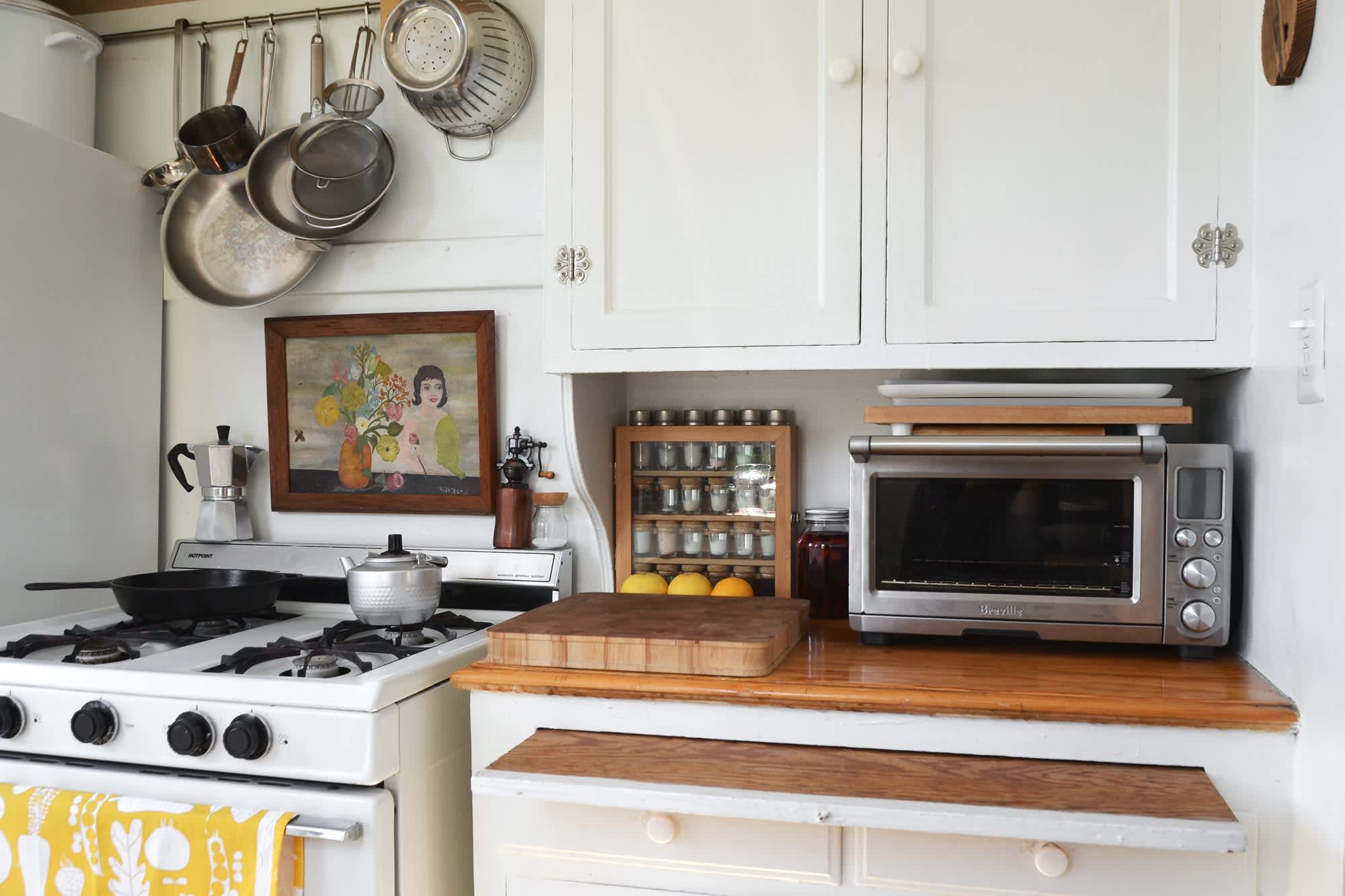
Proper kitchen ventilation is essential for a safe and comfortable cooking space. Without a range hood, ventilating your kitchen becomes a real challenge. Smoke, heat, and odors tend to linger longer. This can make cooking unpleasant and affect indoor air quality. Understanding these challenges helps find better ventilation solutions.
Problems Without Range Hood
Cooking releases smoke, steam, and grease into the air. Without a range hood, these particles stay in the kitchen. They settle on walls, cabinets, and appliances. This buildup causes stains and damage over time. Excess heat also raises the room temperature. It becomes uncomfortable and harder to cook.
Smoke can trigger smoke alarms frequently. It also reduces visibility while cooking. Ventilation problems cause condensation on windows and surfaces. This moisture encourages mold growth. Mold harms your home and your health. Kitchens without proper ventilation can feel hot and stuffy.
Health And Odor Issues
Smoke and fumes from cooking contain harmful chemicals. These can irritate the eyes, throat, and lungs. Poor ventilation increases exposure to these pollutants. It may worsen allergies or asthma symptoms. Lingering odors also affect kitchen comfort. Strong smells from frying or spices can stay for hours or days.
Without proper air flow, odors mix with household dust. This makes the kitchen air feel heavy and unpleasant. Over time, this poor air quality impacts your health and mood. Clean, fresh air is vital for a healthy kitchen environment.

Credit: hauslane.com
Window Fans For Airflow
Window fans offer a simple, effective way to improve airflow in kitchens without range hoods. They help remove smoke, odors, and moisture by moving air out and letting fresh air in. Using window fans can keep the kitchen air clean and comfortable during cooking. Placing the right fan and creating the right airflow pattern matters a lot for best results.
Choosing The Right Fan
Select a fan that fits your window size for proper sealing. Look for models with adjustable speeds to control airflow strength. Fans designed for both intake and exhaust give more flexibility. Choose a quiet fan to avoid noise distractions while cooking. Energy-efficient fans help save electricity in the long run.
Placement Tips
Install the fan securely in the window to prevent air leaks. Position it at or above the stove level to catch rising steam and smoke. Keep the fan clear of curtains or blinds that block airflow. Open other windows or doors slightly to allow fresh air to enter. Ensure the fan’s direction matches the airflow goal—either pushing air out or pulling air in.
Creating Exhaust Flow
Set the window fan to blow air outside to remove cooking fumes. Open a window or door across the room for fresh air intake. This creates a cross-ventilation effect that improves air exchange. Use multiple fans if possible—one to push air out, another to bring fresh air in. Monitor airflow during cooking and adjust fan speed to maintain clear air. This method reduces heat, moisture, and odors effectively.
Portable Air Purifiers
Portable air purifiers offer a practical way to improve kitchen air quality without a range hood. They are compact and easy to move around, making them suitable for any kitchen size. These devices work by filtering the air, removing particles, smoke, and odors that cooking produces. Using a portable air purifier can reduce indoor pollution and create a fresher cooking environment.
Hepa Filters Benefits
HEPA filters trap tiny particles like dust, smoke, and allergens. They capture up to 99.97% of particles as small as 0.3 microns. This makes them effective at cleaning kitchen air from smoke and cooking fumes. HEPA filters also help reduce airborne bacteria, improving overall air quality. Regular filter changes keep the purifier working well and maintain clean air.
Ideal Purifier Placement
Place the air purifier near the cooking area for best results. This helps catch smoke and odors quickly before they spread. Avoid placing the purifier in corners or behind objects that block airflow. Keep it at least a few feet off the ground for better air circulation. Moving the purifier around can help cover different parts of the kitchen when cooking.
Effectiveness On Smoke And Odors
Portable air purifiers reduce smoke particles and cooking odors effectively. They help clear the air faster than natural ventilation alone. Odors from frying or grilling diminish when the purifier runs during and after cooking. While they do not replace a range hood’s ventilation power, purifiers greatly improve indoor air quality. Combining purifiers with open windows enhances smoke and odor removal.
Alternative Cooking Methods
Alternative cooking methods help reduce smoke and odors in kitchens without range hoods. Choosing the right appliances and techniques lowers steam and grease buildup. This keeps the kitchen air cleaner and fresher. These methods also make cooking easier and more enjoyable in small or poorly ventilated spaces.
Electric Skillets And Instant Pots
Electric skillets cook food evenly with less smoke. They have lids that trap steam and odors. Instant pots use pressure cooking to speed up meals. They seal tightly, preventing steam from escaping. Both appliances reduce the need for open flames or high heat. This limits airborne grease and smoke in the kitchen.
Using Air Fryers Outdoors
Air fryers create crispy food with little oil. Using them outside keeps smoke and smells away from the kitchen. This is ideal for summer cooking or small spaces. Outdoor use also prevents heat buildup indoors. It helps maintain a comfortable kitchen environment without extra ventilation.
Reducing Steam And Grease
Cover pans with lids to trap steam while cooking. Use lower heat settings to reduce smoke and grease splatter. Clean cookware regularly to avoid buildup that can burn. Wipe surfaces immediately after cooking to remove grease residues. These habits improve air quality and keep the kitchen fresh.
Cross-ventilation Techniques
Cross-ventilation is a natural way to keep your kitchen fresh without a range hood. It uses air movement between openings to clear smoke and odors. This technique helps bring in fresh air and push out heat and moisture. Setting up cross-ventilation correctly can make cooking more comfortable and healthier.
Opening Windows Strategically
Open windows on opposite sides of the kitchen to create airflow. This setup allows fresh air to enter through one window and exit through another. Keep windows near the cooking area open to remove smoke fast. Use window screens to keep insects out while letting air in.
Using Doors To Enhance Airflow
Keep kitchen doors open to improve air movement. Open doors leading to other rooms or outside spaces. This helps air flow through the entire house, reducing kitchen odors. Use door stops to hold doors open without damage. If possible, open interior and exterior doors at the same time.
Maximizing Natural Breeze
Use natural wind to your advantage by positioning openings correctly. Identify where the breeze comes from and open windows or doors in that direction. Clear any obstacles outside that block airflow near the kitchen. Plants or outdoor furniture should not block air paths. This simple step helps air move smoothly and refresh the kitchen.
Preventing Grease And Steam
Preventing grease and steam is key to keeping your kitchen clean and fresh without a range hood. Cooking releases oils and moisture that can stick to surfaces and cause bad smells. Taking simple steps helps reduce this buildup and keeps your kitchen air clear. Focus on controlling steam and grease right at the source during cooking.
Using Lids And Splatter Screens
Cover pots and pans with lids to trap steam and grease. Lids stop moisture from escaping into the air. Use splatter screens to catch hot oil and food bits. These tools reduce mess and keep air cleaner. They also help food cook evenly by holding heat inside.
Cooking On Back Burners
Choose back burners over front ones to lower grease spread. Back burners place pots farther from the edge, reducing spills. Heat rises toward walls, where it causes less air pollution. This small change helps keep grease and steam away from you and your kitchen surfaces.
Minimizing Airborne Particles
Keep the kitchen ventilated by opening windows and doors. Fresh air moves steam and grease particles outside quickly. Use fans near windows to push air out faster. Clean cooking surfaces often to stop grease buildup. Wipe walls, counters, and stove after each use. These habits reduce sticky residues and odors.
Maintenance Without A Hood
Maintaining a kitchen without a range hood requires careful attention to air quality and cleanliness. Cooking releases grease, smoke, and odors that settle quickly without proper ventilation. Regular upkeep helps prevent damage and keeps the kitchen fresh. Simple steps make a big difference in managing air and surfaces effectively.
Frequent Cleaning Tips
Clean kitchen surfaces daily to remove grease buildup. Wipe down walls, counters, and cabinets with mild soap and water. Use degreasers for tough stains on stovetops and nearby areas. Clean exhaust fans and vents often to improve airflow. Regular cleaning reduces odors and prevents sticky residue from accumulating.
Utilizing Bathroom Fans
Bathroom fans can help remove steam and smells from the kitchen. Turn them on during and after cooking to improve air circulation. Position doors to allow air to flow between rooms. Though not designed for kitchens, bathroom fans assist in reducing moisture and lingering odors. They provide a simple ventilation boost without extra equipment.
Protecting Cabinets And Walls
Apply splash guards or easy-to-clean panels near cooking areas. Use heat-resistant paint on walls to prevent discoloration. Regularly inspect cabinets for grease and wipe them to avoid damage. Place mats or liners inside cabinets to catch spills. Protecting surfaces helps keep the kitchen looking fresh and reduces long-term wear.

Credit: hauslane.com
Frequently Asked Questions
How Do You Vent A Kitchen Without A Hood?
Vent a kitchen without a hood by using a window fan to exhaust air outside. Open windows to create cross-ventilation. Use portable air purifiers with HEPA filters and cover pans with lids to reduce steam and grease. Cook on back burners for better air control.
What Can I Use Instead Of A Range Hood?
You can use window fans to exhaust air, portable air purifiers with HEPA filters, and open windows for cross-ventilation. Cover pans with lids to reduce grease and steam. Using electric appliances outdoors or near windows also helps improve kitchen air without a range hood.
What Happens If You Don’t Have A Vent Over Your Stove?
Without a vent over your stove, smoke, odors, and grease can accumulate, causing poor air quality and lingering smells. Heat and moisture build up, making cooking uncomfortable. Grease deposits increase cleaning needs and may damage walls or cabinets over time.
Proper ventilation improves kitchen safety and comfort.
Do Ductless Range Hoods Really Work?
Ductless range hoods filter and recirculate air but don’t remove smoke or odors outside. They work best for light cooking.
Conclusion
Ventilating your kitchen without a range hood is doable and effective. Use window fans to push out smoke and odors. Open windows and doors to create fresh air flow. Portable air purifiers help clean the air inside. Cooking with lids on pots reduces steam and grease.
These simple steps keep your kitchen fresh and comfortable. Try these easy methods and enjoy cooking without worry.