
Planning to build your own restaurant kitchen? You’re probably wondering, “How much is this going to cost me?” Whether you’re starting fresh or upgrading an existing space, understanding the expenses involved is key to making smart decisions.
From the layout and equipment to permits and labor, many factors influence the total price tag. You’ll discover a clear breakdown of costs so you can plan your budget confidently. Keep reading to uncover what it really takes to build a functional, efficient kitchen that fits your vision—and your wallet.
Credit: www.avanticorporate.com
Cost Breakdown
Understanding the cost breakdown helps plan your restaurant kitchen budget well. Building a kitchen involves many parts, each with its own price. Knowing these costs helps avoid surprises later. Here is a clear look at the main expenses.
Average Kitchen Build Cost
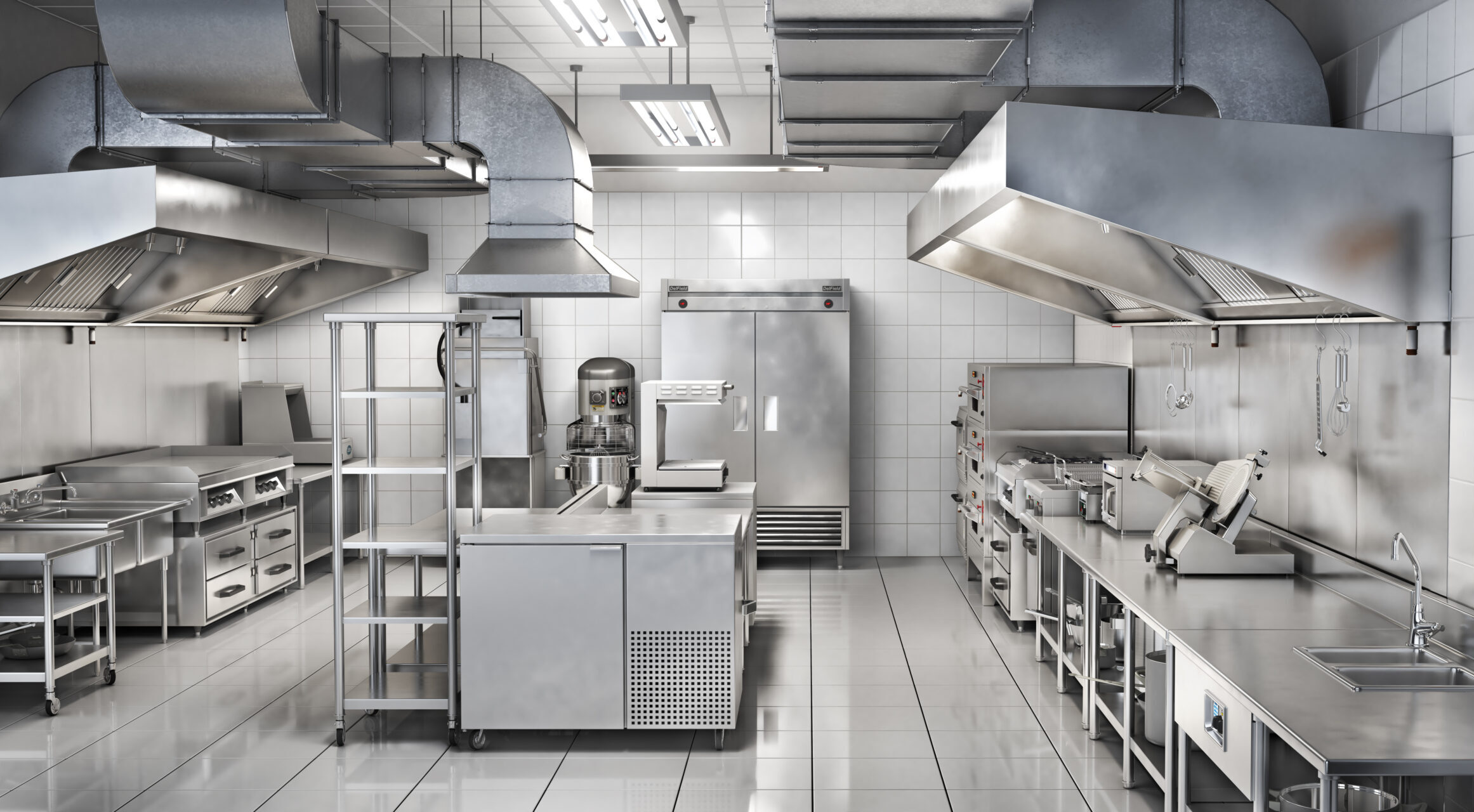
On average, building a commercial kitchen costs between $40,000 and $200,000. This wide range depends on kitchen size, design, and equipment quality. Larger kitchens with custom features push costs higher. Basic setups stay closer to the lower end.
Small Kitchen Expenses
Small kitchens cost less but still require smart spending. Expect to spend around $20,000 to $50,000 for a compact kitchen. Focus on essential equipment and efficient layout. Small spaces need careful planning to fit everything needed.
Equipment Price Range
Equipment is a major part of the budget. Prices vary from a few hundred dollars for small tools to thousands for ovens and refrigerators. Commercial stoves cost $3,000 to $10,000 each. Refrigerators and freezers range from $2,000 to $8,000. Choose reliable, energy-saving models to save money long-term.
Labor And Installation Fees
Labor and installation fees add 20% to 40% to total costs. Skilled workers handle plumbing, electrical, and ventilation work. These tasks require experts to meet health and safety codes. Proper installation prevents costly repairs and downtime later.
Credit: learn.chicagofaucets.com
Size And Layout
Designing the size and layout of a restaurant kitchen is a key step in controlling costs. The kitchen must fit the menu, staff, and space available. A well-planned kitchen improves workflow and reduces waste. It also helps avoid costly changes later.
Optimal Kitchen Size
The kitchen size depends on the restaurant’s style and volume. Small cafes need less space than full-service restaurants. Generally, the kitchen should be 25% to 40% of the total restaurant area. A cramped kitchen slows staff and limits equipment choices. Too large a kitchen wastes space and money. Finding the right balance saves costs and boosts efficiency.
Space Planning Tips
Plan zones for cooking, prep, and cleaning. Keep related tasks close to reduce walking. Allow enough room for multiple staff to work safely. Use open layouts to improve communication. Include clear paths for delivery and waste removal. Measure carefully to fit appliances and workstations without crowding. Efficient space planning cuts build and operating costs.
Storage Solutions
Storage must be easy to access but out of the way. Include dry storage, refrigeration, and freezer space. Use shelving and racks to maximize vertical space. Organize ingredients by frequency of use to speed up prep. Proper storage reduces food spoilage and waste. Smart storage design lowers upfront costs and improves kitchen flow.
Essential Equipment
Setting up a restaurant kitchen requires careful planning and investment in essential equipment. These tools form the backbone of your kitchen operations. Choosing the right equipment affects efficiency, food quality, and safety. Understanding the types of equipment needed helps you budget effectively.
Cooking Appliances
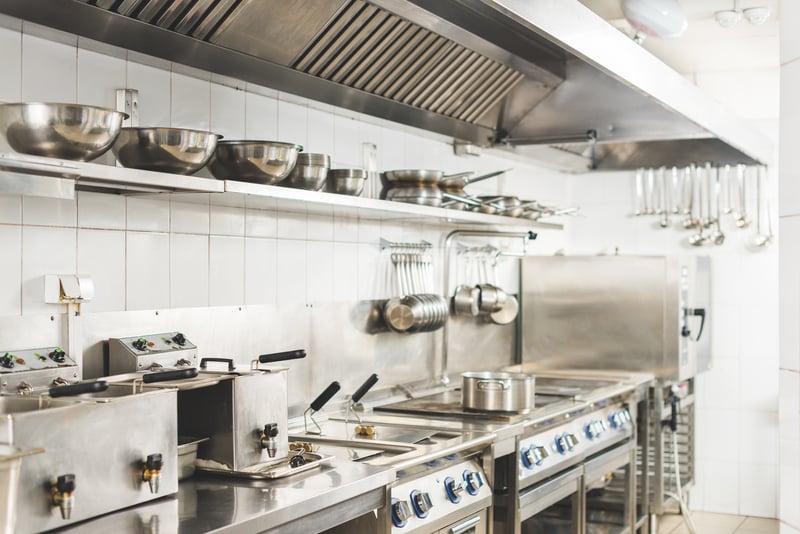
Cooking appliances are the heart of any kitchen. This category includes ovens, stoves, grills, and fryers. Prices vary depending on size, brand, and features. Investing in durable, energy-efficient appliances saves money long term. Quality appliances improve cooking speed and consistency.
Refrigeration Units
Refrigeration keeps ingredients fresh and safe. Common units include walk-in coolers, reach-in refrigerators, and freezers. Costs depend on capacity and technology, such as energy-saving models. Proper refrigeration reduces waste and ensures food safety standards.
Prep And Storage Tables
Prep tables provide workspace for food preparation. Storage tables often include shelves or drawers underneath. These units are usually made of stainless steel for durability and hygiene. Prices vary by size and design. Adequate prep and storage space boost kitchen organization.
Ventilation Systems
Ventilation systems remove smoke, heat, and odors from the kitchen. They include exhaust hoods, fans, and ductwork. Proper ventilation ensures a safe, comfortable work environment. Installation costs depend on kitchen size and local building codes. Well-designed systems improve air quality and fire safety.
Construction Considerations
Building a restaurant kitchen requires careful planning and smart choices. Construction considerations affect the total cost and future use. Each part of the build plays a role in creating a functional kitchen. Understanding these elements helps manage budget and expectations.
Materials And Finishes
Choosing the right materials is key for durability and cleanliness. Stainless steel is common for counters and shelves because it resists stains and rust. Floors need to handle heavy traffic and spills. Non-slip tiles or sealed concrete work well. Walls should be easy to clean, often using washable paint or tile. These choices affect both cost and kitchen lifespan.
Plumbing And Electrical
Proper plumbing supports sinks, dishwashers, and cooking equipment. It must meet health codes and handle high water use. Electrical systems power ovens, refrigerators, and lighting. They need enough capacity and safety features. Installing gas lines for stoves adds complexity and cost. Skilled professionals must do this work to avoid problems later.
Safety And Compliance
Meeting safety rules protects staff and customers. Fire suppression systems are essential in cooking areas. Ventilation systems remove smoke and heat efficiently. Floors and walkways need to reduce slip risks. Building codes require specific exits and lighting. Inspections ensure the kitchen follows all laws. Non-compliance can cause fines or shutdowns.
Timeline And Phases
Construction usually happens in stages for better control. Planning and design come first, setting clear goals and budgets. Next, demolition or site prep clears space. Then, the build phase installs structures, systems, and finishes. Finally, equipment setup and testing prepare the kitchen for use. Delays in any phase can increase costs. A realistic timeline helps keep the project on track.
Cost-saving Strategies
Building a restaurant kitchen can be costly. Smart cost-saving strategies help reduce expenses. These strategies focus on equipment choices, kitchen design, and labor.
Careful planning ensures you get quality without overspending. Balancing cost and function is key to a successful kitchen build.
Used Vs New Equipment
Used equipment costs less than new but needs careful checking. Inspect for wear, damage, and proper functioning. Buying from trusted sellers lowers risk. New equipment offers warranty and latest features. Mixing used and new gear can save money and maintain reliability.
Modular Kitchen Options
Modular kitchens use pre-made units for quick assembly. They save time and reduce labor costs. Modular setups allow easy upgrades or changes later. Custom kitchens can be expensive and take more time. Modular options suit tight budgets and fast openings.
Diy Vs Professional Help
DIY work cuts costs but may cause mistakes. Professionals ensure proper installation and safety. Some tasks, like plumbing and electrical, need experts. DIY can work for simple tasks or small projects. Hiring pros prevents costly repairs and delays.
Location Factors
Choosing the right location plays a big role in the cost to build a restaurant kitchen. Location affects permits, rent, and available space. It also impacts local rules and market prices. Understanding these factors helps plan the budget clearly. The following sections explain key location aspects.
Local Building Codes
Local building codes set rules for safety and design. These rules control kitchen size, ventilation, and fire safety. Meeting codes may require extra work or special equipment. Some areas demand costly inspections and permits. Ignoring codes can cause fines or delays. Budget enough money for code compliance early.
Renting Vs Buying Space
Renting a kitchen space lowers upfront costs. It offers flexibility to move or expand. Buying a space means higher initial investment. Owners control changes and upgrades freely. Rental costs vary by neighborhood and property type. Buying may add property taxes and maintenance fees. Weigh long-term goals before choosing.
Austin, Texas Market Insights
Austin’s booming food scene raises kitchen build costs. Popular neighborhoods have high rent and property prices. Local codes are strict on health and safety standards. Demand for commercial spaces is strong, limiting options. Renovation costs can rise due to local labor rates. Planning for Austin means expecting above-average expenses.
Additional Expenses
Building a restaurant kitchen involves more than just equipment and construction. Additional expenses often catch new owners by surprise. These costs are essential to keep your kitchen legal, safe, and running smoothly. Understanding these extra charges helps you plan your budget better and avoid delays.
Permits And Licenses
Permits and licenses are required before opening your kitchen. They include health permits, fire safety certificates, and building permits. Costs vary by city and kitchen size. Failing to get permits can lead to fines or closure. Start the application process early to avoid delays.
Insurance Costs
Insurance protects your business from accidents and damages. Common policies include general liability, property, and workers’ compensation. Premiums depend on kitchen size and location. Insurance is a must to avoid costly lawsuits. Shop around for the best coverage and price.
Ongoing Maintenance
Regular maintenance keeps kitchen equipment working well. It includes cleaning, repairs, and part replacements. Neglecting upkeep leads to costly breakdowns. Set aside a monthly budget for maintenance tasks. This helps extend equipment life and ensures safety.
Financing And Budgeting
Planning the finances for building a restaurant kitchen is key to success. Careful budgeting keeps your project on track. Understanding costs helps avoid surprises later. Proper financing ensures you have enough funds to finish the build. This section guides you through estimating costs, funding choices, and managing your budget wisely.
Estimating Total Investment
Start by listing all expenses for your kitchen build. Include equipment, installation, permits, and design fees. Consider costs for plumbing, electrical, and ventilation systems. Don’t forget to budget for furniture and safety gear. Add a buffer of 10-15% for unexpected expenses. Research prices in your local market to get accurate numbers. This estimate gives you a clear picture of the total investment needed.
Funding Options
Explore different ways to fund your kitchen project. Bank loans are common and offer fixed repayment terms. Small business grants may provide funds without repayment. Investors can bring money in exchange for ownership shares. Personal savings reduce debt but limit your cash flow. Leasing equipment lowers upfront costs but adds monthly payments. Choose funding that fits your financial situation and business goals.
Budget Management Tips
Create a detailed budget before starting the build. Track all expenses regularly to stay within limits. Prioritize spending on essential kitchen equipment first. Negotiate with suppliers for discounts or payment plans. Avoid last-minute changes that increase costs. Use software or spreadsheets to monitor cash flow and expenses. Keep communication open with contractors about budget concerns. Managing your budget well helps complete your kitchen on time and within cost.

Credit: www.checkatrade.com
Frequently Asked Questions
How Much Does It Cost To Set Up A Restaurant Kitchen?
Setting up a restaurant kitchen typically costs between $30,000 and $200,000. Costs vary by size, equipment, and location.
Is $10,000 Enough For A New Kitchen?
A $10,000 budget can cover basic kitchen upgrades but limits major renovations. Plan carefully to prioritize essentials and save costs.
Is $30,000 Enough For A Kitchen Remodel?
Yes, $30,000 can cover a basic kitchen remodel. It suits small to mid-range updates, focusing on essential upgrades and appliances.
How Much Does It Cost To Build A Small Commercial Kitchen?
Building a small commercial kitchen typically costs between $30,000 and $80,000. Costs vary based on equipment, size, and location. Planning for permits and utilities adds to expenses. Efficient design can reduce costs and improve workflow. Budget carefully to meet health and safety standards.
Conclusion
Building a restaurant kitchen requires careful budgeting and planning. Costs vary based on size, equipment, and location. Expect to spend between $40,000 and $200,000 on average. Prioritize essential appliances and durable materials to save money. Planning well helps avoid unexpected expenses later.
A well-designed kitchen improves workflow and service. Keep your goals clear and research local prices. This will help you build a functional kitchen within your budget.