
Are you thinking about starting or growing your food business in Austin, Texas? One of the biggest questions on your mind is probably: how much does it cost to rent a commercial kitchen?
Renting a kitchen can be a smart move to save money and time, but the prices can vary widely depending on location, size, and facilities. Knowing the costs upfront helps you plan your budget better and avoid surprises. You’ll get clear answers about commercial kitchen rental prices in Austin and tips on what to consider before signing a lease.
Keep reading to find out how to choose the right kitchen space for your needs without breaking the bank.
Credit: www.avanticorporate.com
Rental Price Breakdown
Understanding the rental price breakdown helps you plan your budget better. Commercial kitchen rental costs vary widely. Several factors influence the final price. These include rental terms, kitchen size, and location. This section breaks down common pricing models and cost differences.
Monthly Rent Averages
Monthly rent for commercial kitchens usually ranges from $1,000 to $5,000. Smaller kitchens in less busy areas cost less. Larger kitchens in prime locations demand higher rent. Some spaces include utilities and maintenance in the monthly fee. Long-term leases often offer better rates than short-term agreements.
Hourly Rental Rates
Hourly rental rates offer flexible options for occasional use. Rates typically range from $15 to $50 per hour. Shared kitchens tend to charge lower hourly rates than private ones. Peak hours may have higher rates compared to off-peak times. Hourly rentals suit startups and small food businesses well.
Cost Variations By Kitchen Size
Small kitchens cost less to rent than medium or large kitchens. Compact kitchens fit food trucks or small catering services. Medium kitchens suit growing businesses with more equipment needs. Large kitchens accommodate multiple users or full-scale production. Size impacts rent, utilities, and equipment availability.
Location Impact On Costs
The cost to rent a commercial kitchen changes a lot based on location. Different cities and regions have varying demand, real estate prices, and business environments. This makes location a key factor in your rental budget.
Choosing the right spot can save money or increase expenses. Urban centers often charge more due to higher demand and convenience. Suburban or rural areas might offer lower rates but less foot traffic and access.
Austin Market Overview
Austin’s commercial kitchen rental market is growing fast. The city has many food startups and catering businesses. This demand pushes prices higher than other Texas cities.
On average, renting a commercial kitchen in Austin costs between $1,200 and $3,000 per month. Location inside the city and kitchen size influence the final price.
Texas Regional Differences
Texas has wide price differences across its regions. Dallas and Houston have similar or slightly higher rental rates than Austin. Smaller cities like San Antonio or El Paso tend to have lower costs.
These differences come from local economies, population sizes, and restaurant activity. Rural areas in Texas offer the cheapest kitchen rentals but with fewer amenities.
Urban Vs Suburban Pricing
Urban kitchens cost more because of prime locations and demand. Businesses pay extra for easy customer access and more delivery options.
Suburban commercial kitchens are less expensive but may lack some services. Renters might spend more on transportation and marketing to attract clients.
Types Of Commercial Kitchens
Commercial kitchens come in different types. Each type fits different business needs and budgets. Understanding these types helps in choosing the right kitchen to rent. Here are the main types of commercial kitchens available for rent.
Shared Kitchens
Shared kitchens allow multiple businesses to use the same space. They offer a cost-effective option for startups and small food businesses. Users share equipment, storage, and prep areas. Rental fees are usually hourly or monthly. This option reduces costs but may limit kitchen access times.
Private Kitchens
Private kitchens are rented by one business only. They provide exclusive use of the entire kitchen space. This option suits businesses needing full control over operations. Privacy and flexibility are key benefits. Monthly rent is higher than shared kitchens but offers more freedom.
Ghost Kitchens
Ghost kitchens serve delivery-only food businesses. They have no dining area or customer-facing space. These kitchens focus on online orders and food delivery. Ghost kitchens lower overhead costs compared to traditional restaurants. Renting these kitchens is often cheaper and easier to scale.
Credit: www.peerspace.com
Amenities And Equipment
Choosing a commercial kitchen to rent involves more than just space. Amenities and equipment shape your cooking experience. These features affect your daily work and influence rental costs. Understanding what is included helps you find the best kitchen for your needs.
Essential Kitchen Equipment
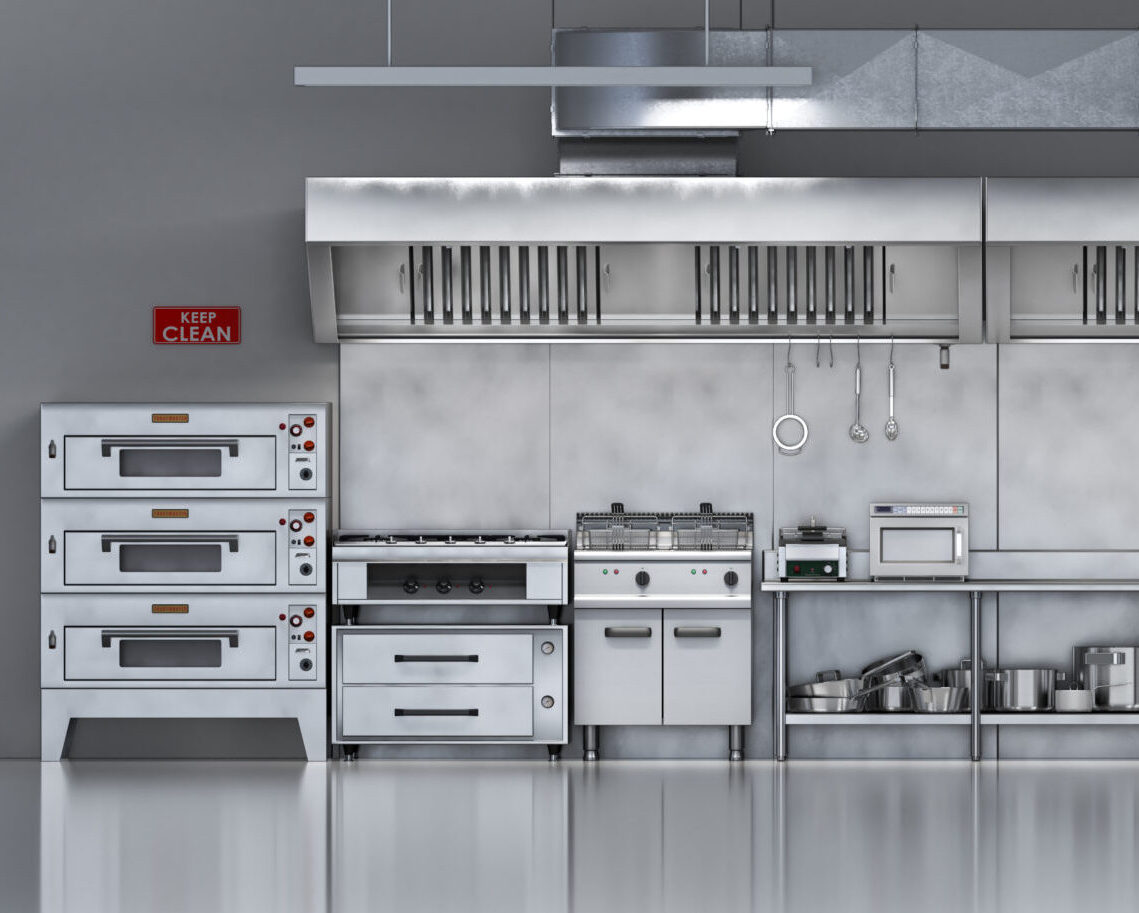
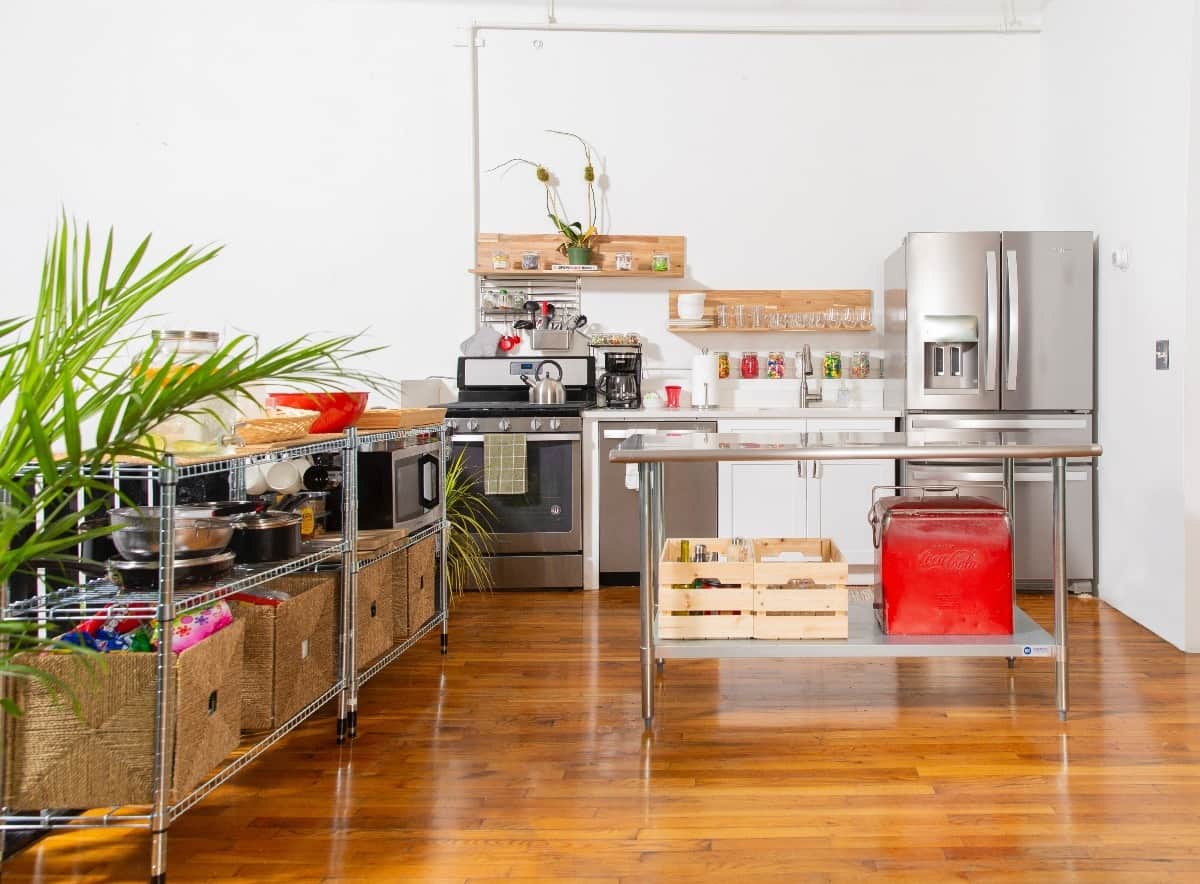
Most commercial kitchens come with basic tools. These include ovens, stoves, refrigerators, and sinks. You will find prep tables and storage shelves. Some kitchens offer mixers, food processors, and dishwashers. Having these essentials saves money on extra purchases.
Additional Facility Features
Some kitchens provide more than just equipment. Look for ventilation systems that keep air clean. Proper lighting helps with food prep and safety. Parking spaces and loading areas ease deliveries. Restrooms and break rooms add comfort for staff. These features improve work efficiency and comfort.
Impact On Rental Fees
Kitchens with many amenities often cost more to rent. Advanced equipment like specialized ovens or large freezers raises prices. Facilities with extra features charge higher fees. Basic kitchens have lower rental rates. Consider what you need to balance cost and convenience.
Lease Terms And Flexibility
Understanding lease terms and flexibility is key when renting a commercial kitchen. Lease agreements vary widely and can impact your costs and operations. Choosing the right lease type helps you manage your budget and schedule effectively.
Short-term Vs Long-term Leases
Short-term leases offer flexibility for startups or seasonal businesses. You can rent a kitchen by the week or month without a long commitment. Long-term leases usually provide lower monthly rates but require a contract of a year or more. Businesses with steady demand often prefer long-term leases to secure space and control costs.
Hourly Vs Monthly Contracts
Hourly contracts let you pay only for the time you use the kitchen. This suits small projects or occasional cooking needs. Monthly contracts charge a fixed fee for unlimited or set hours. They work well for regular users who need consistent kitchen access. Choosing between hourly and monthly depends on your cooking frequency and budget.
Cancellation Policies
Cancellation policies affect your flexibility and risk. Some leases require advance notice, often 30 days, to cancel without penalty. Others may charge fees for early termination. Understanding cancellation terms helps avoid unexpected costs. Clear policies give peace of mind if your business needs change suddenly.
Pros And Cons Of Renting
Renting a commercial kitchen offers many benefits but also some drawbacks. It suits businesses that need flexible, ready-to-use spaces without a huge upfront cost. Understanding the pros and cons helps you decide if renting fits your business goals and budget.
Cost Benefits
Renting lowers initial expenses. No need to buy expensive equipment or build a kitchen. Monthly rent covers utilities and maintenance. This saves money on repairs and upgrades. It lets startups avoid large loans. You pay only for the time and space you use.
Scalability Advantages
Rental kitchens offer easy growth options. You can increase or reduce space as business changes. No long-term lease ties you down. This helps test new products or markets quickly. Shared kitchens create networking chances with other chefs. It supports flexible hours and different food styles.
Limitations To Consider
Renting means less control over the kitchen setup. Equipment and layout may not match your needs perfectly. You must share space and follow strict rules. Limited storage space can restrict inventory. Peak times may affect kitchen availability. Long-term costs might add up over buying.
Renting Vs Buying
Choosing between renting and buying a commercial kitchen is a major decision for food businesses. Each option has its own advantages and challenges. Understanding these can help you make the best choice for your needs and budget.
Upfront Investment
Buying a kitchen requires a large initial payment. You must pay for construction, equipment, and permits. This can be very expensive and take time. Renting costs less at the start. You pay monthly or hourly fees without big upfront costs. This helps new businesses save money.
Control And Customization
Owning a kitchen gives full control over design and layout. You can customize equipment and space to fit your needs. Renting limits your control. You use the kitchen as it is. Changes may need owner approval. Renting suits businesses that need flexibility and quick start.
Long-term Financial Implications
Buying can be a smart investment if you plan to stay long term. You build equity and may increase property value. Maintenance and upgrades are your responsibility. Renting keeps costs predictable. You avoid repair bills and property taxes. Over time, rental fees add up but reduce financial risk.
Local Regulations And Requirements
Renting a commercial kitchen requires understanding local rules. These rules ensure kitchens are safe and legal for food preparation. Regulations vary by location and affect rental costs and operations. Knowing these rules helps avoid fines and delays.
Health And Safety Standards
Kitchens must follow strict health and safety rules. These include cleanliness, proper ventilation, and pest control. Equipment must meet safety codes to prevent accidents. Regular inspections ensure compliance and protect food quality. Violations can lead to closure or fines.
Licensing Needs
Operators need licenses to run a commercial kitchen legally. Licenses prove the kitchen meets food safety and business standards. Some licenses cover food handling, fire safety, and waste disposal. These licenses may require fees and periodic renewal. Renting a kitchen without proper licenses is risky.
Oregon And Texas Specific Rules
Oregon requires kitchens to follow Oregon Health Authority rules. These focus on sanitation and food safety training. Texas has its own set of regulations under the Texas Department of State Health Services. Texas rules emphasize food storage and equipment standards. Both states require regular inspections to keep licenses.
Finding The Right Kitchen
Finding the right commercial kitchen to rent is a key step for any food business. The perfect kitchen fits your needs and budget. It also meets health and safety rules. Taking time to choose well saves money and avoids problems. This section guides you through the process of selecting a suitable kitchen space.
Popular Rental Platforms
Several online platforms list commercial kitchens for rent. Websites like Kitchen United, Peerspace, and The Kitchen Door offer many options. These platforms show prices, photos, and amenities. You can filter by location, size, and equipment. Reading reviews helps find trusted kitchens. Checking multiple sites ensures a broad choice.
Tips For Site Visits
Visiting kitchens in person is important. Check if the space feels clean and organized. Ask about available equipment and storage. Observe the lighting and ventilation. Test appliances if possible. Talk to the manager about rental terms. Note the parking and access hours. Bring a checklist to stay focused.
Evaluating Kitchen Conditions
Carefully inspect the kitchen’s condition before renting. Look for signs of wear on surfaces and tools. Make sure all equipment works properly. Check plumbing and electrical systems. Confirm the kitchen meets local health codes. Consider the layout and workspace flow. A well-maintained kitchen boosts efficiency and safety.

Credit: restaurantify.com
Cost-saving Strategies
Renting a commercial kitchen can be expensive, but smart strategies help lower costs. These cost-saving methods ensure you get more value without overspending. Efficient use of space, flexible lease terms, and choosing the right hours can reduce your monthly rent. These tips suit small businesses and startups.
Sharing Space Efficiently
Sharing kitchen space with others cuts rent expenses. Schedule cooking times to avoid overlap. Store equipment and supplies neatly to maximize area. Use shared resources like ovens and sinks wisely. This approach lowers your share of rent and utilities.
Negotiating Lease Terms
Talk with the landlord to get better lease deals. Ask for lower rent if you sign a longer contract. Request flexible terms like month-to-month options or rent breaks. Discuss who pays for repairs and maintenance. Clear agreements save money and avoid surprises.
Utilizing Off-peak Hours
Renting kitchen time during off-peak hours reduces costs. Many kitchens offer cheaper rates early mornings or late nights. Adjust your cooking schedule to these times. This saves money and keeps the kitchen less crowded. Off-peak hours also allow faster setup and cleanup.
Frequently Asked Questions
How Much Does A Commercial Kitchen Cost To Rent Per Month?
Renting a commercial kitchen typically costs between $1,000 and $4,000 per month. Prices vary by location and kitchen size.
What Are The Requirements For A Commercial Kitchen In Oregon?
Oregon commercial kitchens must meet health, safety, and sanitation standards. Obtain permits, install approved equipment, ensure proper ventilation, and follow local building codes. Maintain clean surfaces, have adequate handwashing stations, and comply with fire safety regulations. Regular inspections ensure ongoing compliance with state requirements.
Is It Better To Rent Or Buy A Commercial Kitchen?
Renting a commercial kitchen suits startups and those testing markets due to lower upfront costs and flexibility. Buying benefits established brands wanting full control and long-term savings. Choose based on budget, business goals, and scalability needs.
How Much Does A Small Commercial Kitchen Cost?
A small commercial kitchen typically costs between $20,000 and $50,000 to set up. Renting monthly ranges from $15 to $50 per hour. Prices vary by location, equipment, and size. Budget carefully to match your business needs and local market rates for best results.
Conclusion
Renting a commercial kitchen varies by location, size, and amenities. Costs depend on hourly rates, monthly fees, and included services. Budget carefully to match your business needs and growth plans. Shared kitchens offer flexible, affordable options for startups. Private kitchens provide more control but at higher prices.
Choose a kitchen that fits your cooking style and schedule. Planning ahead helps avoid unexpected expenses and delays. A well-chosen kitchen rental supports your food business success.