
If you love smooth, refreshing coffee that wakes you up without the bitterness, cold brew is your new best friend. And guess what?
You don’t need fancy equipment or whole beans to make it at home. With just your regular ground coffee, some cold water, and a little patience, you can craft the perfect cold brew right in your kitchen. Ready to discover how simple it is to transform your everyday coffee grounds into a delicious, chilled brew that will keep you energized all day?
Keep reading, and you’ll be sipping your own homemade cold brew in no time.
Choosing The Right Ground Coffee
Choosing the right ground coffee is key for a smooth cold brew. The grind size, bean type, and freshness all affect flavor. Selecting the best coffee grounds makes your cold brew taste rich and balanced. Here are important points to consider.
Coarse Vs Fine Grind
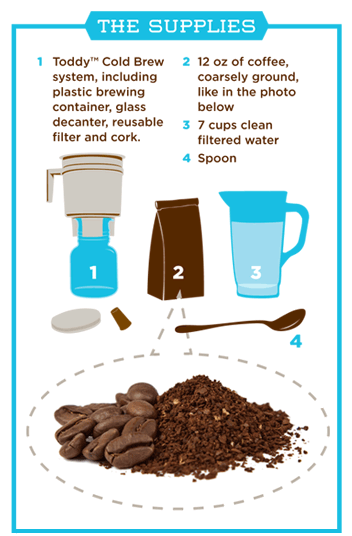
Cold brew needs coarse ground coffee. Coarse grounds look like sea salt. They soak well and release flavor slowly. Fine grounds can make the coffee bitter and cloudy. They also create a gritty texture. Use a coarse grind for a clean, smooth cold brew.
Coffee Bean Varieties
Arabica beans offer a sweet, mild taste. Robusta beans are stronger and more bitter. Most cold brew fans prefer Arabica for its smooth flavor. Single-origin beans bring unique notes like fruity or nutty. Blends balance taste and richness. Choose beans that match your flavor preference.
Freshness And Storage Tips
Fresh coffee grounds give the best flavor. Use grounds within two weeks of opening. Store coffee in an airtight container. Keep it in a cool, dark place away from heat and moisture. Avoid the fridge or freezer to prevent condensation. Freshness keeps your cold brew bright and tasty.

Credit: www.icrcevre.com
Essential Tools And Ingredients
Making cold brew coffee with ground coffee requires a few simple tools and ingredients. Each item plays a key role in creating smooth, rich coffee. Using the right tools helps you get the best flavor and texture. Here are the essentials you need before starting your cold brew journey.
Water Quality And Temperature
Water is the main ingredient in cold brew coffee. Use clean, filtered water to avoid unwanted tastes. Cold or room temperature water works best. Hot water can cause bitterness. The quality of water directly affects the coffee’s taste. Always choose fresh water for a pure flavor.
Containers And Filters
A suitable container holds the coffee and water during brewing. Mason jars and pitchers are popular choices. They are easy to use and clean. For filtering, use a fine-mesh sieve, cheesecloth, or paper coffee filter. These remove coffee grounds and produce a smooth brew. Proper filtering keeps your cold brew clear and pleasant.
Optional Additions
Some like to add flavors to their cold brew. Vanilla extract, cinnamon sticks, or a splash of milk can enhance taste. Sweeteners like simple syrup or honey are also options. These are not required but can make your coffee more enjoyable. Experiment with small amounts to find what you like.
Step-by-step Cold Brew Method
Making cold brew coffee at home is simple and rewarding. The step-by-step cold brew method allows you to create smooth, rich coffee with minimal effort. This process uses ground coffee and cold water, steeped slowly to bring out deep flavors without bitterness.
Follow these clear steps to enjoy fresh cold brew anytime. Measuring the right amount of coffee and water ensures balanced strength. Mixing and fully saturating the grounds helps extract flavor evenly. Steeping time affects the taste and smoothness. Finally, straining removes the grounds for a clean, crisp brew.
Measuring Coffee And Water
Start by measuring your coffee grounds and water precisely. Use a ratio of 1 part coffee to 4 parts water. For example, 1 cup of coarsely ground coffee needs 4 cups of cold water. Use a kitchen scale or measuring cups for accuracy. Proper measurement controls the coffee’s strength and taste.
Mixing And Saturating Grounds
Place the ground coffee in your container. Slowly pour cold water over the grounds. Stir gently to make sure all grounds get wet. Saturating the coffee evenly helps extract flavors without dry spots. Avoid stirring too hard to prevent bitterness. Cover the container to keep it clean.
Steeping Time Guidelines
Let the coffee steep in the refrigerator for 12 to 24 hours. The longer it steeps, the stronger and smoother it becomes. Most people find 16 hours ideal for balanced flavor. Steeping at a low temperature prevents acidity and harshness. Use a timer to keep track of steeping time.
Straining The Brew
After steeping, strain the coffee to remove the grounds. Use a fine-mesh sieve, cheesecloth, or a paper coffee filter. Pour the coffee slowly to avoid spills and sediment. Strain twice if needed for a clearer brew. Store the cold brew in a sealed container in the fridge. Enjoy within one week for best taste.
Credit: www.info.equalexchange.coop
Storing And Serving Cold Brew
After crafting your cold brew coffee, storing and serving it correctly keeps the flavor fresh and enjoyable. Proper storage slows down spoilage and preserves the rich, smooth taste. Serving cold brew the right way enhances your coffee experience every time.
Best Storage Practices
Store cold brew coffee in an airtight container. Glass jars or bottles work best to avoid unwanted flavors. Keep the container in the refrigerator to maintain freshness. Cold brew can last up to two weeks when stored properly. Avoid leaving it at room temperature for long periods. Always seal the container tightly to prevent air from spoiling the coffee. Label the container with the date to track freshness easily.
Serving Suggestions
Serve cold brew coffee over ice for a refreshing drink. Use a tall glass to hold plenty of ice cubes. Garnish with a slice of lemon or a sprig of mint for added aroma. Cold brew pairs well with milk or cream for a smoother taste. Try serving it with your favorite breakfast or dessert. Experiment with different glassware to find your preferred style.
Diluting And Sweetening
Cold brew concentrate is strong and often needs dilution. Mix one part cold brew with one part water or milk. Adjust the ratio to suit your taste. Sweeten cold brew with simple syrup, honey, or flavored syrups. Stir gently to dissolve sweeteners fully. Avoid granulated sugar, which may not dissolve well in cold liquids. Taste and tweak sweetness and strength to your liking.
Common Mistakes To Avoid
Making cold brew coffee with ground coffee is simple, but some mistakes can spoil the taste. Avoiding these errors helps create a smooth, rich brew every time. Focus on key steps to improve your cold brew process.
Using Incorrect Grind Size
Choosing the right grind size is crucial for cold brew. Use coarsely ground coffee, similar to sea salt. Fine grounds cause over-extraction, making the coffee bitter. Coarse grounds allow slow extraction, creating a balanced flavor. Avoid using too fine or too coarse grounds for the best results.
Over Or Under Steeping
Steeping time affects cold brew flavor and strength. Steeping too long extracts bitter compounds, ruining the taste. Too short steeping results in weak, watery coffee. Aim for 12 to 24 hours of steeping in the fridge. This range balances smoothness and caffeine content well.
Improper Filtration
Filtering your cold brew correctly removes coffee grounds and prevents grit. Use a fine-mesh sieve, cheesecloth, or paper filter. Poor filtration leaves sediment, making the coffee unpleasant. Take your time to strain the brew slowly for a clear, clean cup every time.

Credit: cafely.com
Customizing Your Cold Brew
Customizing your cold brew coffee lets you enjoy a drink that suits your taste perfectly. Cold brew has a smooth and mild flavor that works well with many additions. You can make your cold brew unique by adding flavors, spices, or using it in creative drinks and recipes.
Adding Flavors And Spices
Enhance your cold brew by mixing in flavors like vanilla, cinnamon, or nutmeg. Add a splash of vanilla extract or a cinnamon stick while brewing. You can also stir in flavored syrups like caramel or hazelnut after brewing. These simple touches make your cold brew more exciting and tasty.
Making Iced Lattes And Cocktails
Cold brew coffee is perfect for iced lattes. Combine cold brew with milk or a milk alternative and ice. Sweeten lightly for a refreshing, creamy drink. Use cold brew in cocktails for a bold coffee twist. Mix it with vodka, coffee liqueur, or cream for a smooth cocktail experience.
Using Cold Brew In Recipes
Cold brew coffee adds depth to many recipes. Use it in baked goods like cakes and brownies for a rich coffee flavor. Add cold brew to smoothies for an energizing boost. It also works well in sauces and marinades to enhance savory dishes. Experiment with cold brew to create new flavors in your cooking.
Health And Nutrition Facts
Cold brew coffee offers a smooth taste with unique health and nutrition benefits. It differs from hot coffee in several ways that affect your body. Understanding these facts helps you enjoy cold brew smarter and healthier.
This section covers caffeine content, acidity and digestion, and suitability for special diets. Each aspect plays a role in how cold brew fits your lifestyle and health needs.
Caffeine Content
Cold brew coffee usually has more caffeine than hot coffee. This happens because it steeps longer, extracting more caffeine from the grounds. A typical 12-ounce cup of cold brew can contain 100 to 200 mg of caffeine. Keep this in mind if you are sensitive to caffeine or limit your intake.
However, caffeine levels vary depending on the coffee-to-water ratio and steeping time. You can control the strength by adjusting these factors. Cold brew can give you a steady energy boost without the jitters often caused by hot coffee.
Acidity And Digestion
Cold brew coffee is less acidic than hot brewed coffee. Lower acidity means it is gentler on your stomach and less likely to cause acid reflux. This makes cold brew a good choice for people with sensitive digestion.
The cold brewing process extracts fewer acidic compounds. As a result, many find cold brew easier to drink without stomach discomfort. It may also reduce teeth staining compared to hot coffee.
Suitability For Special Diets
Cold brew coffee fits well into many special diets. It contains almost no calories, fat, or sugar unless you add extras. This makes it ideal for low-calorie, keto, or vegan diets.
It is naturally free from gluten and dairy. People with gluten intolerance or lactose sensitivity can enjoy cold brew without worry. Always check added ingredients if you buy pre-made cold brew.
Frequently Asked Questions
Can You Make Cold Brew With Regular Coffee Grounds?
Yes, you can make cold brew with regular coffee grounds, but coarse grounds work best. Fine grounds may cause bitterness and clog filters. Steep coffee in cold water for 12-24 hours, then strain well for a smooth, less acidic brew.
Is Cold Brew Coffee Ok For Diabetics?
Cold brew coffee is generally safe for diabetics if consumed without added sugars or high-calorie creamers. It has low acidity and may help stabilize blood sugar. Always monitor your body’s response and consult a healthcare provider for personalized advice.
How To Do Cold Brew With Ground Coffee?
Use coarsely ground coffee and cold filtered water. Combine in a jar, stir gently, and steep for 12-24 hours. Strain through a fine mesh or cheesecloth. Serve cold or dilute with water or milk. Store leftover concentrate in the refrigerator.
How Much Water For 1 Cup Of Coffee Grounds Cold Brew?
Use 4 cups (32 ounces) of cold, filtered water for every 1 cup of coarse coffee grounds. Stir gently and steep.
Conclusion
Making cold brew coffee with ground coffee is simple and rewarding. Use coarsely ground coffee for the best taste. Steep the grounds in cold water for 12 to 24 hours. Strain carefully to avoid sediment in your drink. Enjoy a smooth, less acidic coffee that you can customize.
Store extra cold brew in the fridge for up to two weeks. Experiment with water-to-coffee ratios to find your perfect flavor. This easy method lets you enjoy fresh cold brew anytime at home.